Last updated: 21 November 2026. This guide contains affiliate links; if you book through one we may earn a commission at no extra cost to you. How we make money.
Short answer: on a first trip to London, stay on the South Bank, ideally around Bankside between the Tate Modern and Borough Market. You can walk along the river to Westminster in one direction and Tower Bridge in the other, cross a bridge to Covent Garden in 15 minutes, and you will usually pay less than you would north of the river. If theatre and late dinners matter most and the budget allows, pick Covent Garden. If you want a central base for less money, pick Bloomsbury.
Quick answer: where to stay in London
| If you are… | Stay in | Our top pick |
|---|---|---|
| A first-time visitor | South Bank / Bankside | The Hoxton, Southwark |
| Here for the theatre and nightlife | Covent Garden & Soho | The Resident Covent Garden |
| Watching the budget but want to be central | Bloomsbury | NYX Hotel London Holborn |
| Travelling with children | South Kensington | The Ampersand Hotel |
| Out late and on a tighter budget | Shoreditch | citizenM London Shoreditch |
In this guide
- London neighbourhoods compared
- South Bank: best for first-timers
- Covent Garden & Soho: best for theatre and nightlife
- Westminster & Victoria: best for landmarks and early nights
- Bloomsbury & Fitzrovia: best for value
- South Kensington: best for families and museums
- Marylebone: best for couples and repeat visitors
- Shoreditch: best for nightlife on a budget
- Areas to think twice about
- What London hotels cost in 2026
- Tax, airport transfers and getting around
- FAQ
London neighbourhoods compared
London is huge, but the part a first-timer needs is compact: roughly the stretch of river from Westminster to Tower Bridge and the West End streets north of it. Central London is flat and very walkable, so the real differences between areas are price, crowds and how loud the street is at midnight. Distances on the Tube map are misleading; two stations that look far apart are often a short walk.
| Area | Best for | Walkability | Night noise | Transport | Mid-range price |
|---|---|---|---|---|---|
| South Bank / Bankside | First trip, river walks, food markets | Excellent along the river | Low–medium | Waterloo, Southwark, London Bridge | £185–£285 |
| Covent Garden & Soho | Theatre, restaurants, nightlife | Excellent, very crowded | High in Soho | Covent Garden, Leicester Square, Holborn | £250–£360 |
| Westminster & Victoria | Landmarks, parks, quiet evenings | Good; empties at night | Low | Westminster, Victoria (Gatwick Express) | £235–£330 |
| Bloomsbury | Value, British Museum | Good; West End on foot | Low | Holborn, Russell Square, Tottenham Court Road | £165–£240 |
| South Kensington | Museums, families, parks | Good locally; Tube to sights | Low | South Kensington, Gloucester Road | £225–£325 |
| Marylebone | Couples, shopping, restaurants | Good; 15 min to Soho | Low | Baker Street, Bond Street | £240–£345 |
| Shoreditch | Bars, markets, value | Good locally; far from West End | High at weekends | Liverpool Street, Old Street, Overground | £175–£270 |
South Bank: best for first-timers
The south side of the Thames, from the London Eye past the National Theatre and Tate Modern to Shakespeare’s Globe and Borough Market, is the best single walk in London, and staying on it means you start every day there. Westminster is across one bridge, St Paul’s across the Millennium Bridge, and Covent Garden is a 15-minute walk over Waterloo Bridge. Bankside and Borough feel more like a neighbourhood than the area around the London Eye, and the restaurants are better.
The trade-off: the riverside path is packed with tourists on summer weekends, and Borough Market at Saturday lunchtime is a crush. Around Waterloo station the area feels more like a transport hub than somewhere to linger. Hotel stock is thinner than in the West End, so book early. Mid-range doubles here typically run £185–£285 in shoulder season, cheaper than across the river.
- Budget: ibis London Blackfriars – basic, quiet at night and close to the Tube. A sensible base if you will be out all day.
- Mid-range: The Hoxton, Southwark – warehouse-style windows, walk-in rain showers and a short walk to Tate Modern. Our first-timer pick.
- Also good: Ruby Lucy Hotel – a four-star about five minutes’ walk from Waterloo, with soundproofed rooms and a bar.
- Splurge: Sea Containers London – right on the river, designed by Tom Dixon, with Thames-facing rooms, a spa and a rooftop bar.
See all hotels in Southwark and the South Bank →
Covent Garden & Soho: best for theatre and nightlife
This is the middle of everything. Theatreland, Seven Dials, Chinatown, Leicester Square and Oxford Street are all within a short walk, and you can stroll back to your hotel after a show. Soho, a few minutes west, is a dense grid of restaurants, bars and live-music rooms that stays busy most of the night.
The trade-off: it is the most crowded part of London, especially at weekends, and among the priciest, with mid-range doubles around £250–£360 in shoulder season. Covent Garden station is small and jams at busy times; Leicester Square or Holborn are often easier. In Soho, Old Compton Street and Dean Street are loud late into the evening, so light sleepers should ask for a room at the back.
- Budget: The Z Hotel Holborn – compact rooms with private bathrooms, about two minutes from Holborn station, with free wine and cheese on Tuesday and Saturday evenings. Rooms are small, so travel light (our carry-on packing list helps).
- Mid-range: The Resident Covent Garden – on the Strand, with a mini kitchen in the rooms but no restaurant. Good for longer stays.
- Splurge: Ham Yard Hotel – set around a tree-filled courtyard in Soho, with its own bowling alley and a rooftop terrace.
See all hotels in Covent Garden →
Westminster & Victoria: best for landmarks and early nights
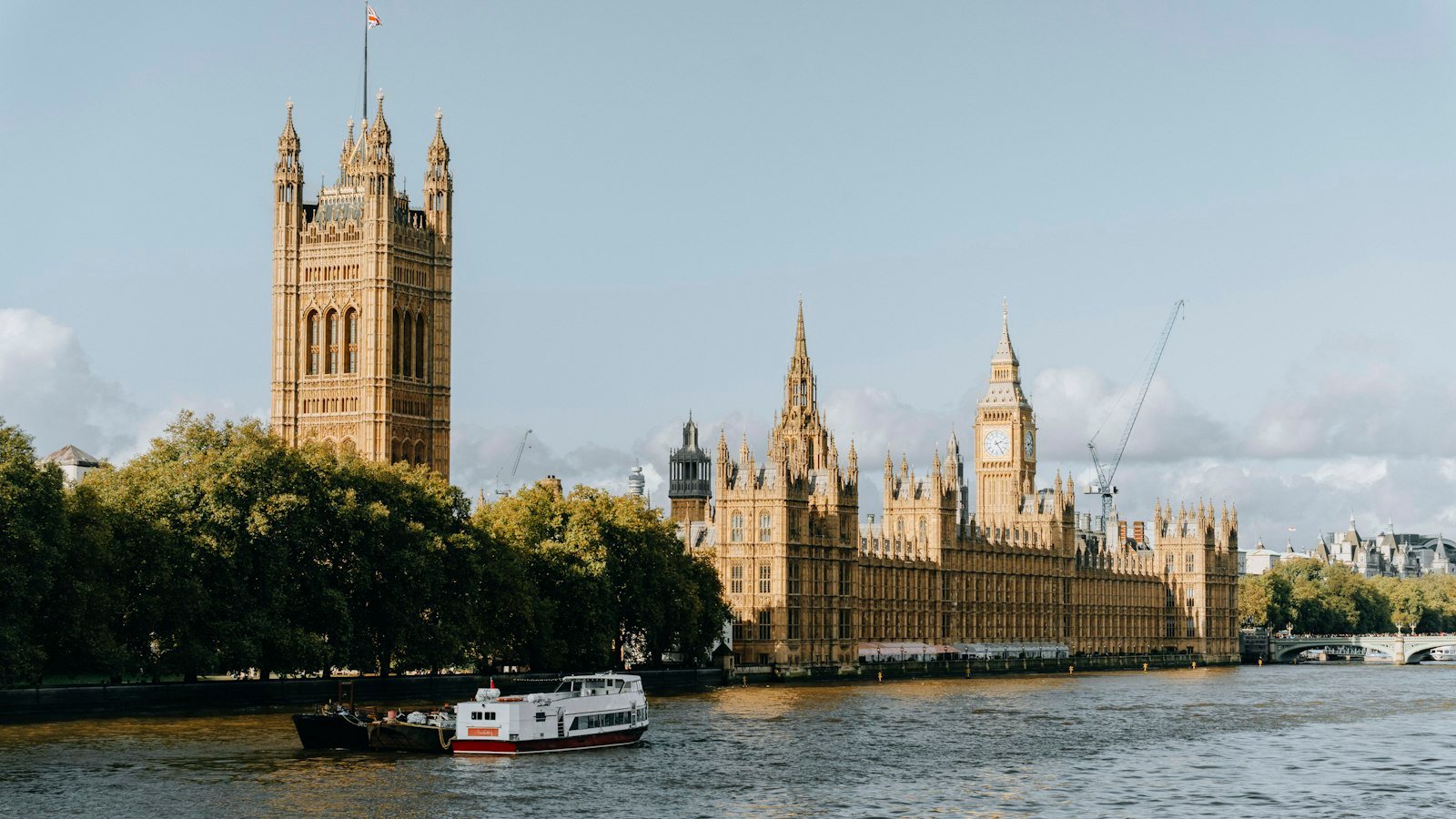
Big Ben, Westminster Abbey, Buckingham Palace and St James’s Park are on your doorstep, and it is one of the calmer parts of central London, with a visible police presence. Victoria station is a major hub, with the Gatwick Express running from it, and Pimlico just south has quieter streets and family-run hotels.
The trade-off: Westminster is offices and monuments, so it empties after dark and you will walk or ride to dinner. It is not cheap for what you get (mid-range doubles around £235–£330), and the streets around Parliament Square are full of tour groups by day.
- Budget: hub by Premier Inn Westminster – small rooms, about five minutes on foot from Big Ben.
- Mid-range: Riu Plaza London The Westminster – on a quiet side street, an easy walk to the Abbey and the river.
- Splurge: The Goring – a historic grand hotel near Buckingham Palace with a private garden and a Michelin-starred restaurant.
See all hotels in Westminster →
Bloomsbury & Fitzrovia: best for value
Bloomsbury is the leafy, academic quarter around the British Museum: Georgian garden squares, university buildings and independent cafés. Fitzrovia, just west, has the restaurants of Charlotte Street. Covent Garden, Soho and Oxford Street are all walkable, and Tottenham Court Road station puts you on the Elizabeth line, which runs direct to Heathrow.
The trade-off: evenings are quiet and there are fewer headline sights than in Westminster or on the South Bank. Main roads carry heavy traffic, so ask for a room away from the street. At around £165–£240 for a mid-range double in shoulder season, it is the best-value central option in London.
- Budget: The Z Hotel Tottenham Court Road – compact air-conditioned rooms with private bathrooms; continental breakfast is available.
- Mid-range: NYX Hotel London Holborn – roomier than most at this level, with a rooftop bar, and use of the pool and sauna included.
- Splurge: Kimpton Fitzroy London – one of Bloomsbury’s landmark buildings, known for the bronze dragon on its staircase.
See all hotels in Bloomsbury →
South Kensington: best for families and museums
Three of London’s big museums, the Natural History Museum, the Science Museum and the V&A, sit side by side here, with the Royal Albert Hall, Hyde Park and Kensington Gardens close by and Kensington Palace a walk across the park. Streets are white stucco and calm. With children, being able to walk back to the hotel for a rest between museums is worth a lot.
The trade-off: you are a Tube ride from Westminster, the South Bank and the West End, which adds up on a short trip. Nightlife is thin and prices are high, with mid-range doubles around £225–£325.
- Budget: YHA London Earl’s Court – a hostel with private rooms as well as dorms and a courtyard garden, a short Tube ride west.
- Mid-range: The Bailey’s Hotel Kensington – a Victorian hotel directly opposite Gloucester Road station, with tea and biscuits laid on daily.
- Splurge: The Ampersand Hotel – rooms themed on the neighbouring museums and a science-themed afternoon tea.
See all hotels in South Kensington →
Marylebone: best for couples and repeat visitors
Marylebone has a village feel that is rare this close to Oxford Street: Georgian terraces, independent boutiques on Chiltern Street and Marylebone High Street, a Sunday farmers’ market and good neighbourhood restaurants. Soho is about 15 minutes’ walk, and Bond Street station is on the Elizabeth line.
The trade-off: few big sights are within walking distance, so you will use the Tube most days, and hotels are expensive for a first trip (mid-range doubles around £240–£345). Oxford Street, on its southern edge, is crowded all day.
- Budget: The Z Hotel Gloucester Place – compact rooms and one of the few affordable options in the area.
- Mid-range: Treehouse Hotel London – playful design, city views and a rooftop bar near Oxford Circus.
- Splurge: The Landmark London – a former Victorian railway hotel built around an eight-storey glass-roofed atrium, with an indoor pool and spa.
See all hotels in Marylebone →
Shoreditch: best for nightlife on a budget
East London’s creative quarter has street art, vintage shops, Brick Lane’s curry houses and bagel bakeries, Spitalfields Market and the Columbia Road Flower Market on Sundays. Hotels are usually better value than in the West End, and the bar scene is the liveliest in the city. Liverpool Street and Old Street are the main Underground stations, with the Overground at Shoreditch High Street.
The trade-off: the classic sights are a Tube ride away, and Friday and Saturday nights around Shoreditch High Street and Brick Lane are loud. It suits a second trip, or a first one built around food and nights out rather than palaces. Mid-range doubles run around £175–£270.
- Budget: ibis London City Shoreditch – quiet rooms on the corner by Aldgate East station.
- Mid-range: citizenM London Shoreditch – big, very comfortable beds and rain showers in compact rooms. The catch: you can only get into the bed from one side.
- Splurge: art’otel London Hoxton – art-filled rooms with views over East London, an indoor pool and a spa.
See all hotels in Shoreditch →
Areas to think twice about
Leicester Square and Piccadilly Circus. Central, yes, but the crowds, chain restaurants and late-night noise make them tiring to come home to. Soho or Covent Garden are a few minutes away and nicer to sleep in.
Paddington and King’s Cross. Both have superb transport (Paddington for the Heathrow Express and the Elizabeth line, King’s Cross for St Pancras and the Eurostar), and King’s Cross has been smartly redeveloped around Granary Square and Coal Drops Yard. But the hotels by the stations are mostly generic, and neither is where you want to spend your evenings on a short sightseeing trip. Fine for one night before an early train.
Canary Wharf. Modern, well connected and cheaper at weekends, but it is a business district that feels removed from the London you came to see.
Stratford, Croydon and Wembley. Prices look tempting, but the travel time into the centre eats into every day. Compare with Bloomsbury or Southwark first. If you are weighing an apartment instead, our hotel vs Airbnb guide explains when that actually wins.
What London hotels cost in 2026
London is one of Europe’s most expensive hotel cities, and the gap between low and high season is wide. Typical ranges for a double room per night, room only:
| Type | Off-peak (GBP) | Peak (GBP) | Roughly in USD (off-peak – peak) |
|---|---|---|---|
| Hostel or one-star | £40–£70 | £85–£135 | $52–$177 |
| Two-star | £63–£90 | £120–£180 | $83–$236 |
| Three-star | £90–£130 | £175–£245 | $118–$321 |
| Four-star | £140–£210 | £270–£410 | $183–$537 |
| Five-star | £340–£490 | £645–£1,025 | $445–$1,343 |
January and February are the cheapest months, when a mid-range four-star can be found for around £125–£185. June to August is the most expensive stretch, and December can spike around Christmas. The night of the week matters too: rate tracking shows Sunday is usually the cheapest night and Tuesday the dearest, and business hotels in the City and Canary Wharf are often 20–30% cheaper on Sundays.
When to book: for January and February, about six weeks ahead is usually enough. For spring and autumn, aim for two months. For June to August, book three to four months out on a free-cancellation rate, and for Christmas week or Wimbledon fortnight, six months or more. Our guide to how far in advance to book a hotel has the wider data.
Tax, airport transfers and getting around
Tourist tax. London has no tourist tax in force. UK hotel prices already include 20% VAT, which is not a tourist tax. That may change: the Visitor Levy (England) Bill was introduced in the House of Commons on 4 November 2026 and was scheduled for its second reading on 16 November. It would let mayors charge a percentage of the room price (excluding VAT), with stays over 28 nights excluded. The Bill as introduced sets no legal cap, but Sadiq Khan has said London’s levy would not exceed 5%. No rate or start date has been set, and a levy cannot begin until the Bill becomes law and each authority consults on its own scheme. You can follow progress on the UK Parliament bills site.
From Heathrow. Three rail options, depending on budget. The Heathrow Express reaches Paddington in about 15 minutes from Terminals 2 and 3 (about 21 from Terminal 5), every 15 minutes; a walk-up single is £26 (about $34), or from £10 if you book 30 or more days ahead, and children 15 and under travel free with a paying adult. The Elizabeth line costs £15.50 to any Zone 1 station and takes around 35 minutes, running straight through to Tottenham Court Road, Farringdon and Liverpool Street with no change. The Piccadilly line is cheapest at around £5.60–£5.90 but takes 50–60 minutes, which suits South Kensington and Covent Garden. A black cab costs about £75–£130 and takes 45–75 minutes; a pre-booked minicab is about £45–£75.
From Gatwick and Stansted. The Gatwick Express runs non-stop to Victoria in as little as 31 minutes, and Thameslink trains reach London Bridge in about 30 minutes, which suits a South Bank stay. The Stansted Express takes about 48 minutes to Liverpool Street, handy for Shoreditch. Oyster cards are not valid to or from Stansted, but contactless bank cards are.
Getting around. Tap in and out with a contactless bank card or phone; you do not need an Oyster card. A Zone 1 Tube journey costs £3.10 at peak times and £3.00 off-peak, and spending is capped at £8.90 (about $12) a day in Zones 1–2, or £44.70 for Monday to Sunday. Buses cost £1.85 a ride from 1 November 2026, with a £5.55 daily cap, and further bus rides within an hour of the first tap are free. Use the same card or phone for every tap, or the cap will not work. The Heathrow Express does not count towards the cap. Current fares and planned closures are on the Transport for London site, and events listings are on Visit London, the official tourism site.
Safety. Central London is generally safe for visitors in the areas above. The everyday risk is pickpocketing and phone theft in crowded places such as Oxford Street, Leicester Square and busy Tube platforms, so keep your phone in an inside pocket rather than in your hand at the kerbside, and stick to busy, lit streets late at night. Traffic comes from the right; check the “look right” markings before you step out.
FAQ
What is the best area to stay in London for a first visit?
The South Bank, especially Bankside near Tate Modern and Borough Market. It puts the river walk, Westminster and Covent Garden within walking distance and usually costs less than the West End. Covent Garden is the best alternative if you want to be in the thick of the theatres.
Does London have a tourist tax?
Not yet. A Bill to let English mayors charge an overnight levy is going through Parliament, and London’s mayor has said the rate would be no more than 5%, but nothing applies to stays today.
What is the cheapest way from Heathrow to central London?
The Piccadilly line, at under £6 with a contactless card. The Elizabeth line is faster for £15.50, and the Heathrow Express is fastest at £26 walk-up, or from £10 booked well ahead.
Is it worth paying more to stay in Zone 1?
For a trip of four nights or fewer, yes. Walking home after dinner and skipping a Tube ride twice a day saves more time than the cheaper room saves money. On longer stays, a well-connected area such as Bloomsbury or Shoreditch is the better compromise.
How many nights do I need in London?
Four nights covers Westminster, the South Bank, the British Museum, the Tower and a show. Add a fifth for South Kensington’s museums or a day trip.
How we researched this: facts were cross-checked in November 2026 against parliamentary and news reports on the Visitor Levy (England) Bill, published 2026 TfL fares and caps, current Heathrow, Gatwick and Stansted rail fares, hotel-rate tracking by star rating, area and season, hotel listings and independent neighbourhood guides. Prices move; always confirm before you book.
Leave a Reply