Last updated: 16 October 2026. This guide contains affiliate links; if you book through one we may earn a commission at no extra cost to you. How we make money.
Short answer: if it is your first time in Tokyo, stay in Shinjuku. It is the best-connected station in the city, it has food and hotels at every price, and both airports deliver you to its door. Choose Tokyo Station, Ginza or Nihonbashi if you are using a rail pass for day trips and want quiet nights, and Asakusa if you want old Tokyo and lower prices and do not mind being off the Yamanote loop. The rest of this guide explains why, which hotels we would book in each, and the areas that look central on a map but cost you an hour a day.
Quick answer: where to stay in Tokyo
| If you are… | Stay in | Our top pick |
|---|---|---|
| A first-time visitor | Shinjuku | Hotel Gracery Shinjuku |
| Doing day trips on a rail pass | Tokyo Station & Ginza | The Tokyo Station Hotel |
| Under 35 and out every night | Shibuya | sequence Miyashita Park |
| On a budget or with a family | Asakusa | The Gate Hotel Kaminarimon |
| Flying in or out of Narita at odd hours | Ueno | APA Hotel Keisei Ueno-Ekimae |
In this guide
- Tokyo neighbourhoods compared
- Shinjuku: best for first-timers
- Tokyo Station, Ginza & Nihonbashi: best for day trips and calm nights
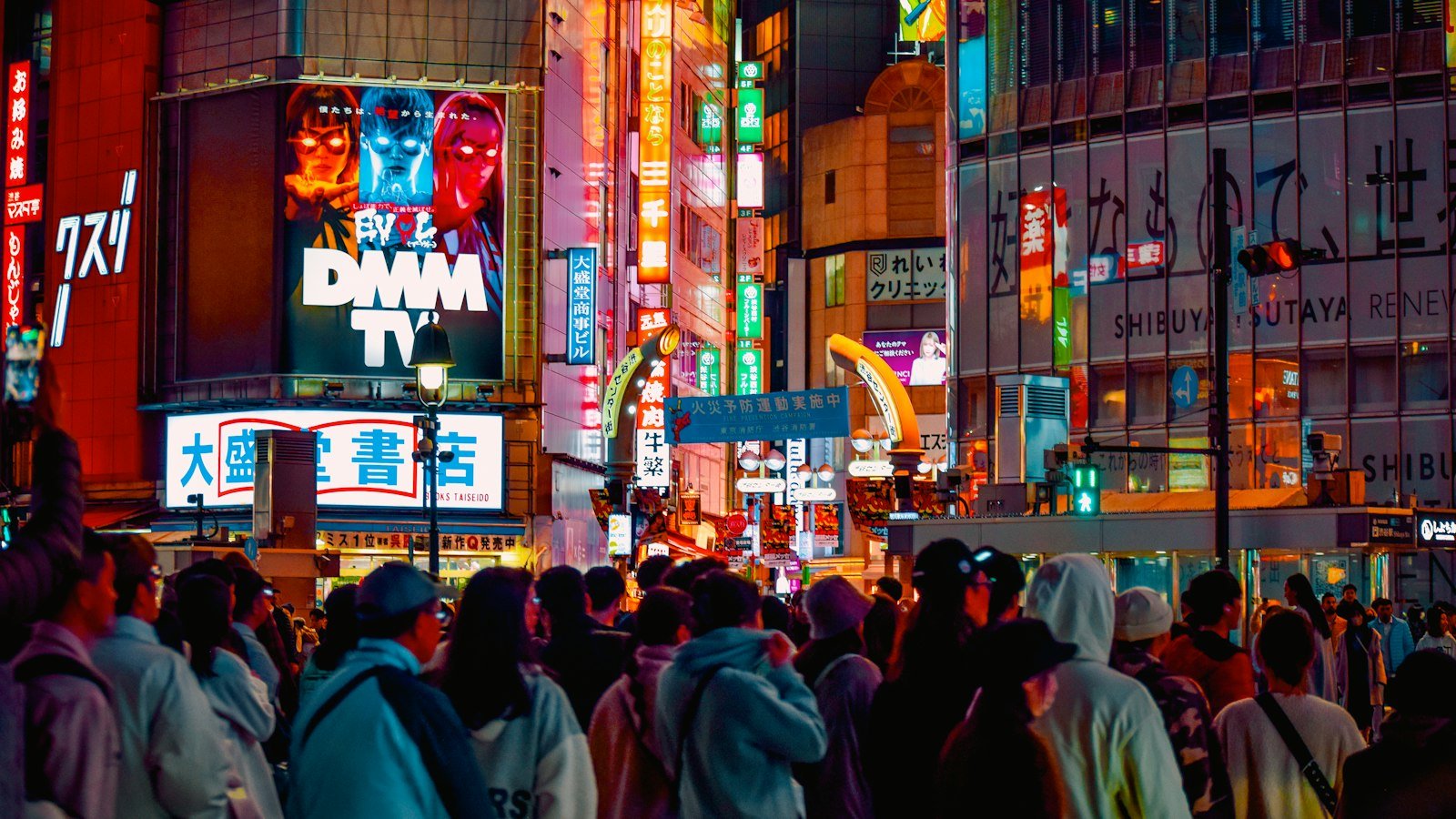
- Shibuya: best for energy and nightlife
- Asakusa: best for old Tokyo on a budget
- Ueno: best for Narita flights and museums
- Shinagawa: best for Haneda and early Shinkansen
- Areas to think twice about
- What Tokyo hotels cost in 2026
- Accommodation tax, airports and getting around
- FAQ
Tokyo neighbourhoods compared
Tokyo is flat, enormous and run by its railways. The single most useful thing to know is the JR Yamanote line, the loop that links Shinjuku, Shibuya, Shinagawa, Tokyo Station, Ueno and Ikebukuro. Stay on it, or one stop off it, and you can reach almost anything in 30 minutes. Stay somewhere that needs two changes and the city starts to feel as big as it is.
| Area | Best for | Walkability | Night noise | Transport | Mid-range price |
|---|---|---|---|---|---|
| Shinjuku | First trip, food, nightlife | Flat; the station is a maze | High (east side) | Yamanote + N’EX + airport buses | ¥18,000–¥30,000 |
| Tokyo Station & Ginza | Rail-pass day trips, quiet nights | Flat, wide pavements | Low | All Shinkansen + N’EX + subway | ¥20,000–¥40,000 |
| Shibuya | Under-35s, shopping | Flat, some slopes to Harajuku | High | Yamanote + N’EX | ¥20,000–¥35,000 |
| Asakusa | Budget, families, temples | Flat, low-rise | Very low | Subway; direct airport trains | ¥14,000–¥25,000 |
| Ueno | Narita flights, museums | Flat | Low–medium | Yamanote + Skyliner | ¥12,000–¥22,000 |
| Shinagawa | Haneda flights, Shinkansen | Flat, office towers | Very low | Yamanote + Keikyu + Shinkansen | ¥15,000–¥25,000 |
| Ikebukuro | Value on the loop | Flat | Medium | Yamanote | ¥13,000–¥22,000 |
Shinjuku: best for first-timers
Shinjuku is where most first trips should start, and not because it is pretty. Its station is the busiest in the world and that is the point: the Narita Express and the airport buses stop here, the Yamanote line gets you to Shibuya in seven minutes, and the trains to Hakone and Mount Fuji leave from the same building. East of the tracks are the neon, Omoide Yokocho and Golden Gai; west are the skyscrapers and the big hotels. Shinjuku Gyoen, the best garden in the city, is a short walk from the east exit.
The trade-off: it is loud until late, the station takes two days to learn, and Kabukicho on the east side has touts who should be ignored. For sleep, book on the west side or around Shinjuku-gyoemmae. Prices sit mid-range for Tokyo: cheaper than Shibuya and Ginza, dearer than Ueno and Ikebukuro.
Our picks:
- Budget: Onsen Ryokan Yuen Shinjuku – a modern ryokan with a hot-spring bath on the top floor, yukata provided, seven minutes from Shinjuku-gyoemmae station and on the quiet side of the district. Note that renovation work runs during the day until the end of February 2027.
- Mid-range: Hotel Gracery Shinjuku – the 970-room hotel under the Godzilla head in Kabukicho, six minutes from the station, with 24 m² twins that have a bathtub, women-only floors and a cinema downstairs. From around ¥21,000 (about $130 / £100) in low season.
- Mid-range, quieter: Tokyu Stay Shinjuku Eastside – two minutes from Higashi-Shinjuku subway station, 23 m² rooms with a washer-dryer in each, and family rooms for up to five. The washing machine matters more than you think on a two-week trip.
- Splurge: Park Hyatt Tokyo – the Lost in Translation hotel, back open after a 19-month renovation, with the indoor pool and the New York Bar on the top floors. Eight minutes from Tochomae station. The bar has a ¥3,300 cover charge in the evening, even for guests.
Tokyo Station, Ginza & Nihonbashi: best for day trips and calm nights
Every Shinkansen line starts at Tokyo Station, which makes the districts around it the right base if you are carrying a rail pass and planning Kyoto, Kamakura or Nikko as day trips. Kamakura is under an hour direct; Kyoto is 2 hours 15 minutes on the fastest Nozomi. Ten minutes south is Ginza, the polished shopping district with department-store food halls and Tsukiji Outer Market on its edge. Nihonbashi, to the north-east, is older, quieter and has the cheapest decent business hotels within walking distance of the station.
The trade-off: it is a business district, so the streets empty after office hours. Ginza is also the most expensive area in Tokyo by median room rate, roughly double Shinjuku. If you want the station, book in Nihonbashi or Yaesu and walk.
- Budget: Sotetsu Fresa Inn Ginza-Sanchome – a clean business hotel three minutes from Ginza station, from around ¥17,000 (about $105 / £80) in January, which is as cheap as Ginza gets.
- Mid-range: MUJI Hotel Ginza – above the flagship MUJI store, three minutes from Ginza station, 24 m² doubles, and free drinks and snacks in the lounge from 5 to 9 pm. Books out early.
- Mid-range, with a bath: Mitsui Garden Hotel Ginza Tsukiji – opened late 2024, three minutes from Higashi-Ginza, with a public bath and 26 m² twins; the market is a short walk.
- Splurge: The Tokyo Station Hotel – inside the red-brick 1914 station building itself, so the Shinkansen platforms are a lift ride away. Rooms start around 40 m², large by Tokyo standards, from roughly ¥56,000 (about $350 / £270). No pool.
See all hotels in Ginza and around Tokyo Station →
Shibuya: best for energy and nightlife
Shibuya is the scramble crossing, the Shibuya Sky deck, Center Gai and a bar and restaurant scene that skews young. Harajuku, Meiji Shrine and Yoyogi Park are one stop north, and Shinjuku is seven minutes on the Yamanote line. If your Tokyo is late dinners, record shops and queuing for a famous ramen, this is the base.
The trade-off: Shibuya was the most expensive mainstream area on every date we checked, the weekend crowds are heavy, and the station complex is a maze that takes a day to learn. The streets up Dogenzaka towards the love-hotel district are not where to put a family.
- Budget: The Millennials Shibuya – a design capsule hotel five minutes from the station with female-only and mixed floors and a shared lounge; a good way to try a capsule without the grim version.
- Mid-range: sequence Miyashita Park – four minutes from the station on top of the Miyashita Park complex, 24 m² twins, rooftop park outside the door. The JR tracks run alongside, so light sleepers should ask for a park-facing room.
- Splurge: Cerulean Tower Tokyu Hotel – three minutes from the station, every room from the 19th floor up, a jazz club and a Noh theatre in the building. The pool costs extra except between 6 and 7 am.
Asakusa: best for old Tokyo on a budget
Asakusa is the Tokyo of Senso-ji temple, the Nakamise shopping street and low-rise lanes with the Skytree in view. It is the cheapest central-ish area for most of the year, it has the best stock of family apartments, and it has a direct train from both airports with no change. At 7 am, before the tour groups, the temple precinct is one of the best places in the city to be.
The trade-off: it is not on the Yamanote loop. Shibuya is about 34 minutes away, so every evening in the west costs an hour of travel. Rates also roughly double in cherry-blossom week.
- Budget: APA Hotel Asakusa Tawaramachi Ekimae – 465 compact rooms by Tawaramachi subway station, with a public bath and open-air tub, from around ¥15,000 (about $95 / £72) for two in low season. Rooms are about 11 m²; pack accordingly.
- Mid-range: The Gate Hotel Kaminarimon – a design hotel beside the temple gate with a restaurant terrace looking across to the Skytree; from roughly ¥24,000 (about $150 / £115).
- Families: MIMARU Tokyo Asakusa Station – 35 m² apartments with full kitchens that sleep four, which works out at ¥16,000–¥18,000 a head. Free cancellation ends eight days before arrival.
Ueno: best for Narita flights and museums
Ueno is on the Yamanote loop, it is the terminus of the Keisei Skyliner from Narita (41 to 50 minutes, ¥2,580), and Ueno Park, with the Tokyo National Museum and the zoo, is on its doorstep. It is a short hop from Asakusa and Akihabara, so it suits anyone who wants the east side without giving up the loop line. For a late Narita arrival or an early departure it is the most sensible place in Tokyo to sleep.
The trade-off: it is functional rather than charming, the hotels are mostly business chains, and it spikes in cherry-blossom week because the park is the city’s most famous hanami spot.
- Budget: APA Hotel Keisei Ueno-Ekimae – a minute from the Skyliner terminal, from about ¥20,000 (about $125 / £95); some doubles look over Shinobazu Pond for roughly ¥2,000 more.
- Mid-range: Mitsui Garden Hotel Ueno – a reliable chain hotel by the station, known for its panda-themed rooms, from around ¥23,000.
- Design pick: Nohga Hotel Ueno Tokyo – rooms furnished with pieces by local makers, the one hotel in Ueno you would choose for its own sake, from about ¥28,000.
Shinagawa: best for Haneda and early Shinkansen
Nobody falls for Shinagawa, but a lot of sensible people stay there. It is 11 to 18 minutes from Haneda on the Keikyu line for about ¥330, it is on the Yamanote loop, the Tokaido Shinkansen stops there, and Kamakura is 46 minutes away. If you land at Haneda late, or you are heading to Kyoto on an early train, it removes the stress.
The trade-off: it is offices and hotel towers, and the evening choices are chain restaurants. Treat it as a transit base, not a neighbourhood.
- Mid-range: Tokyu Stay Takanawa – apartment-style rooms with washer-dryers, one minute from Sengakuji station and a short walk to Shinagawa.
- Splurge: The Prince Sakura Tower Tokyo – set in a Japanese garden behind the station, the calm option in a district of big boxes.
Areas to think twice about
Roppongi has three excellent art museums and good cocktail bars, but it is not on the Yamanote line, its late-night strip is pushy, and it is the least Japanese-feeling part of the city. Visit for the Mori Art Museum; sleep elsewhere, or in neighbouring Azabu-Juban if you must.
Akihabara is four minutes from Tokyo Station and quiet at night, which sounds ideal until you find the rooms cost more than Ueno and there is nothing to do after the electronics shops shut. A day trip unless anime is the point of your visit.
Odaiba and the Disney hotels give families space and pools, but Odaiba is a 13- to 15-minute Yurikamome ride just to reach Shimbashi, and Maihama is a separate trip into town every day. Stay there only if the parks are the trip.
Kabukicho itself, as opposed to Shinjuku generally. The hotels are fine; the streets at 2 am are not where you want to be with children.
What Tokyo hotels cost in 2026
Tokyo rooms are small, clean and, by the standards of other capitals, still fair value, but the days of ¥8,000 business hotels in the centre are mostly gone. Typical 2026 rates for a double, outside the peak weeks:
| Type | Per night (JPY) | Roughly in USD / GBP |
|---|---|---|
| Hostel dorm bed | ¥3,000–¥5,000 | $19–$31 / £14–£24 |
| Capsule hotel | ¥4,000–¥6,500 | $25–$41 / £19–£31 |
| Business hotel (APA, Super Hotel, Sotetsu Fresa) | ¥7,000–¥12,000 off-peak; ¥14,000–¥22,000 for two in central areas on the dates we checked | $44–$138 / £33–£105 |
| Mid-range 3–4-star double | ¥15,000–¥30,000 | $94–$189 / £72–£144 |
| Upscale / luxury | ¥40,000–¥80,000 | $252–$503 / £191–£383 |
| Top-tier (Ritz-Carlton, Peninsula) | ¥100,000+ | $630+ / £480+ |
By neighbourhood, a mid-October 2026 index of median rates for a mid-November stay put Ikebukuro at about $202 a night, Shinjuku $218, Ueno $224, Asakusa $251, Shibuya $258, Roppongi $368 and Ginza $494. The ranking holds most of the year; the gaps widen in spring.
When to book: for cherry blossom (late March to mid April), Golden Week and the autumn leaves (mid November to early December), book four to six months ahead on a refundable rate and rebook if prices drop; small design hotels and family apartments go first. Otherwise six to eight weeks is enough. The cheapest windows are mid January to early March, June, and mid September to mid October.
Accommodation tax, airports and getting around
Accommodation tax. Tokyo’s current lodging tax is small and per person per night: nothing under ¥10,000 a head, ¥100 from ¥10,000 to ¥14,999, and ¥200 at ¥15,000 and above. From April 2027 the Tokyo Metropolitan Government switches to 3% of the room rate for stays above ¥13,000 per person per night, and extends it to private rentals, currently exempt. A ¥30,000 room for two will then carry ¥900 a night. Hotels collect it on the spot; most booking sites leave it out of the headline price.
From Narita. The JR Narita Express runs direct to Tokyo Station in about an hour for ¥3,140 one way, and on to Shinagawa, Shibuya and Shinjuku for ¥3,330 (80 to 86 minutes). Foreign-passport holders can buy the N’EX round-trip ticket for ¥5,200, valid 14 days, which beats two singles if you leave from Narita too. The Keisei Skyliner reaches Ueno in 41 to 50 minutes for ¥2,580, and the slower Keisei Access Express runs direct to Asakusa in about an hour for ¥1,380. The TYO-NRT bus to Tokyo Station is ¥1,500 (¥3,000 overnight) and takes 65 to 90 minutes. A taxi is ¥22,000 to ¥30,000 and not worth it.
From Haneda. Far easier. The Keikyu line reaches Shinagawa in 11 to 18 minutes for about ¥330 and continues direct to Asakusa in 41 minutes for ¥610; the Tokyo Monorail reaches Hamamatsucho on the Yamanote loop in 18 minutes for ¥500. Limousine buses to Shinjuku and Shibuya hotels are about ¥1,300 to ¥2,000 and take 30 to 60 minutes. A taxi to the centre is roughly ¥5,000 to ¥8,000.
Getting around. Get a Welcome Suica, or set up the Welcome Suica Mobile app before you fly; the Tokyo tourism board explains the options. It is a tap-in card with no deposit, valid 28 days, good on every train, bus and convenience store. The Tokyo Subway Ticket gives unlimited rides on all Tokyo Metro and Toei lines for ¥800 (24 hours), ¥1,200 (48 hours) or ¥1,500 (72 hours); it does not cover JR, so it suits an Asakusa or Ginza base more than Shinjuku-to-Shibuya hops.
Safety. Tokyo is as safe as any large city gets. The one thing to know is Kabukicho and Roppongi after midnight, where bar touts work the pavements; never follow one into a venue, and settle bills in places you chose yourself.
FAQ
Shinjuku or Shibuya for a first visit?
Shinjuku. It has more hotels at more prices, direct airport trains and buses, and the day-trip lines to Fuji and Hakone. Shibuya is seven minutes away whenever you want it, and it costs more to sleep in.
Is Asakusa too far out?
For an east-side trip, no: Ueno, Akihabara, the Skytree and Tokyo Station are all close. If your evenings are in Shibuya and Shinjuku, yes; budget an hour each way.
How many nights do I need in Tokyo?
Four full days covers the main districts without exhausting you; five lets you add a day trip to Kamakura, Nikko or Hakone. Fewer than three and you will spend most of it on trains.
Hotel or apartment?
For couples, a hotel: rooms are small but efficient, and chains such as Tokyu Stay give you a washer-dryer anyway. For families of four, the MIMARU apartment-hotels are the answer, because a standard Tokyo double will not fit you. Private rentals become taxable in April 2027 and are thin on the ground in the centre.
Do I need to stay near Tokyo Station for the Shinkansen?
Only for a very early departure. Shinagawa and Ueno are a few stops away on the Yamanote line, and Shinagawa has its own Shinkansen platforms on the Kyoto line, so a Shinjuku or Ueno base loses you little.
How we researched this: neighbourhood notes, hotel details and prices were cross-checked in October 2026 against JR East and Tokyo Metro fare pages, the Tokyo tourism board’s transport guides, Tokyo Metropolitan Government announcements on the accommodation tax as reported in the Japanese press, two independent hotel-price indices updated in September and October 2026, and recent reports from travellers and Tokyo-based writers. Prices move; always confirm before you book.
Leave a Reply