Last updated: 17 November 2026. This guide contains affiliate links; if you book through one we may earn a commission at no extra cost to you. How we make money.
Short answer: if you have a week or more, do both, and give Tokyo four nights and Kyoto three. If you can only pick one, pick Tokyo for a trip of five days or fewer: your long-haul flight almost certainly lands there, it handles crowds far better, and it has more to do on a rainy day. Pick Kyoto only if temples, gardens and old streets are the whole point of the trip and you are happy to be up at 7 am to see them without the crowds. Whatever you do, do not try to “see Kyoto” as a day trip from Tokyo; the train fare and four hours on a shinkansen buy you a few rushed hours at the busiest sights.
In this guide
- Tokyo vs Kyoto at a glance
- How many days: the split that works
- Where Tokyo wins
- Where Kyoto wins
- Hotel prices and the tourist tax gap
- Getting between them (and around them)
- Where to stay in each city
- FAQ
Tokyo vs Kyoto at a glance
The two cities are less alike than people expect. Tokyo is a metropolitan area of more than 30 million people stitched together by one of the best rail networks in the world. Kyoto is a city of about 1.5 million where the famous sights are packed into a few districts on the eastern and western edges, and where most visitors move around by bus. That difference shapes almost everything below.
| Tokyo | Kyoto | |
|---|---|---|
| Best for | Food, neighbourhoods, shopping, nightlife, first nights after a long flight | Temples, gardens, wooden streets, ryokan stays, slower days |
| Ideal length | 3–5 nights | 2–4 nights |
| Getting around | Subway and JR; 72-hour Tokyo Subway Ticket ¥2,000 | Mostly bus and walking; Subway & Bus 1-Day Pass ¥1,100 |
| Mid-range hotel (normal season) | ¥12,000–¥18,000 | ¥12,000–¥18,000 |
| Peak-season price jump | Moderate | Steep (can roughly double) |
| Accommodation tax, ¥15,000 room per person | ¥200 per person per night | ¥400 per person per night |
| Crowd pressure | Spread across a huge city | Concentrated in a few narrow lanes |
| Rainy-day options | Excellent | Limited; most sights are outdoors |
How many days: the split that works
Most first trips to Japan are seven to ten days, and the question is really how to divide them. This is what we would do with each trip length.
| Trip length | Our split | Why |
|---|---|---|
| 3–4 nights | Tokyo only | Two cities means one of them gets a single rushed day. Tokyo has enough to fill four days easily. |
| 5–6 nights | 3 Tokyo + 2–3 Kyoto | Tight but workable. Two full days in Kyoto covers Higashiyama, Fushimi Inari and Arashiyama if you start early. |
| 7–8 nights | 4 Tokyo + 3 Kyoto | The sweet spot. Adds a Nara half-day from Kyoto and a slower Tokyo pace. |
| 10+ nights | 4 Tokyo + 3 Kyoto + 2–3 Osaka | Osaka is a short train ride from Kyoto and puts you near Kansai airport for the flight home. |
One routing tip makes a real difference: book an open-jaw ticket, flying into Tokyo and home from Kansai International (or the other way round). Kyoto has no airport of its own, and the Haruka limited express from Kansai airport reaches Kyoto Station in about 75 minutes. That saves you the two-hour-plus shinkansen back to Tokyo on your last day. Our Tokyo in 5 days itinerary and Kyoto in 3 days itinerary are built to fit together this way.
Where Tokyo wins
Your first nights. After a 12- to 14-hour flight, you want a city that forgives a foggy head. Tokyo’s trains run every few minutes, signage is in English, and dinner is available at almost any hour. From Haneda, central Tokyo is close: Shinagawa is about 15 minutes by train and Tokyo Station about 30. From Narita, the Narita Express reaches Tokyo Station in 53 minutes at its fastest.
Food range. Kyoto does refined Japanese food beautifully, but Tokyo does everything: department-store food halls, standing sushi bars, ramen in every style, izakaya under the railway arches, and more Michelin-starred restaurants than any other city. If eating is a big part of why you are going, Tokyo is the stronger base.
Variety and weather-proofing. Each Tokyo district feels like a different city: Asakusa’s temple streets, Shibuya’s crossing, Shinjuku’s late-night alleys, Yanaka’s old wooden houses, the museums of Ueno. Many of the best experiences are indoors, which matters in June’s rainy season, during August heat or on a wet winter day. In Kyoto, a day of heavy rain takes out most of the plan.
Crowds you can escape. Tokyo is busy everywhere and crowded almost nowhere in particular. Kyoto is the reverse: most of the city is calm, but the handful of sights everyone comes for are packed into narrow lanes.
Getting around. The 72-hour Tokyo Subway Ticket costs ¥2,000 for adults (¥1,000 for 24 hours, ¥1,500 for 48) and covers every Tokyo Metro and Toei line from first use. You will rarely wait more than five minutes for a train.
Where Kyoto wins
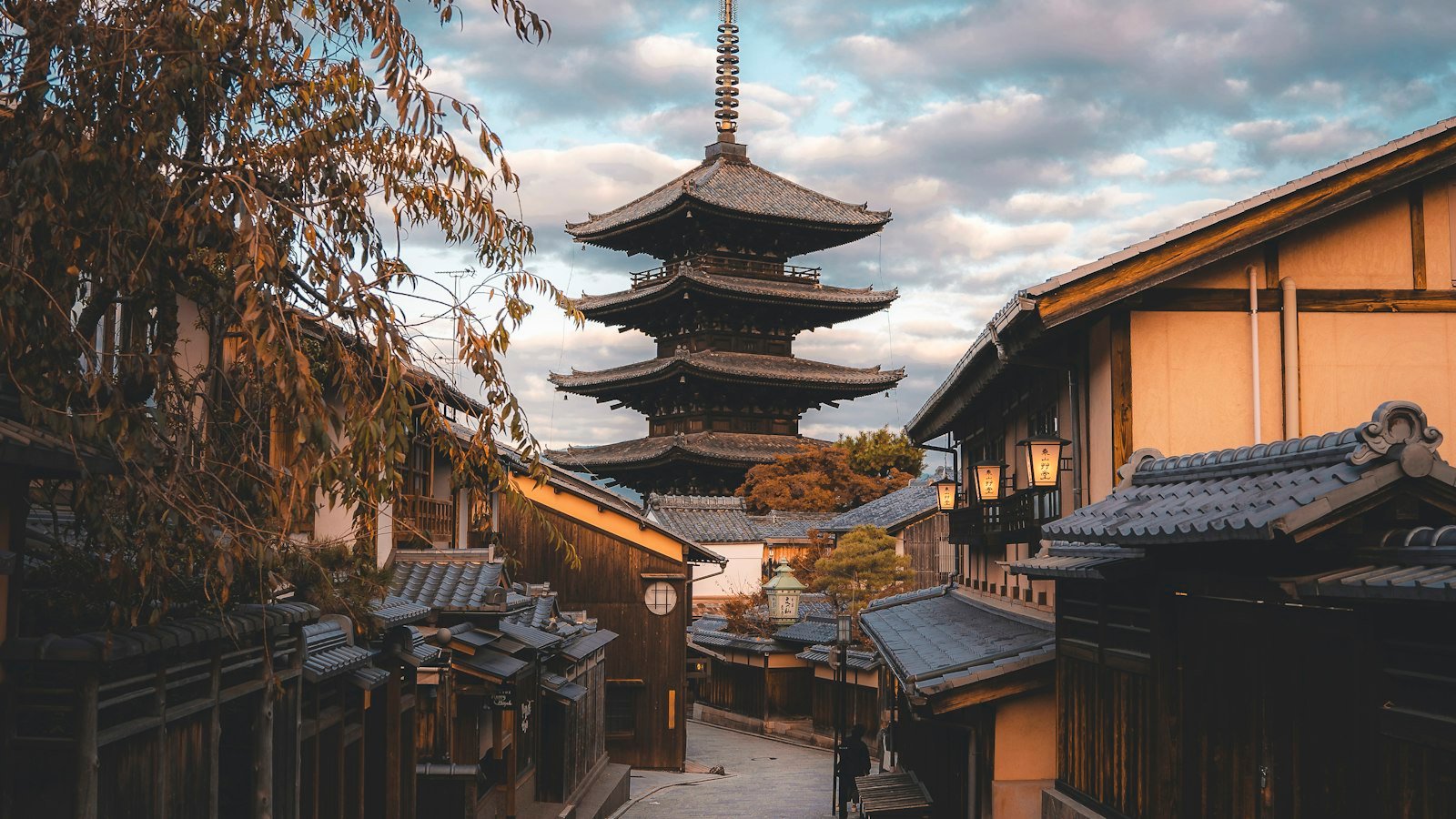
The Japan of your imagination. Wooden machiya townhouses, moss gardens, the tunnel of vermilion gates at Fushimi Inari, temple halls you reach on foot through a bamboo grove: this is what Kyoto does that Tokyo cannot, with 17 sites inside the city and nearby forming a single UNESCO World Heritage listing.
Staying somewhere memorable. A night in a ryokan, with tatami floors, a futon laid out after dinner and a shared bath, is easier to find and better done in Kyoto. If you only book one special night in Japan, book it here.
The catch: Kyoto rewards early starts and punishes late ones. Fushimi Inari, Arashiyama and the lanes around Kiyomizu-dera are at their best before about 9 am and at their worst from late morning to mid-afternoon. The city’s own responsible travel guidance points visitors towards quieter spots and morning or evening visits, and reminds them that many sights sit inside residential neighbourhoods. In Gion, residents have asked visitors not to photograph geiko and maiko without permission or walk into private lanes, and photography is banned in parts of the district. If you are not a morning person, Kyoto will feel more stressful than Tokyo.
The buses. Kyoto’s subway network is small, so most sightseeing trips mean a city bus. The flat fare is ¥230, and the Subway & Bus 1-Day Pass is ¥1,100 and works on the calendar day you first use it, not for 24 hours. The ¥500 Sightseeing Limited Express buses (EX100) from Kyoto Station stop at fewer places than regular routes and are covered by the day pass. Even so, budget more time between sights than a map suggests, especially in spring and November.
Hotel prices and the tourist tax gap
In a normal week, the two cities cost about the same for a hotel. A Japanese 2026 budget survey puts a standard twin at ¥7,000–¥10,000 for a budget or business hotel and ¥12,000–¥18,000 for mid-range in both cities, with upscale brands from around ¥35,000. That is roughly $75–$113 (£56–£84) a night for mid-range, at around ¥160 to the dollar and ¥215 to the pound.
The gap opens in peak season. Kyoto’s prices move much more sharply around cherry blossom and autumn leaves.
| Period | Tokyo | Kyoto |
|---|---|---|
| January, June | About 20% below normal | About 20% below normal |
| Late March to early April (cherry blossom) | +40% to +70% | +60% to +100%, the steepest in Japan |
| Mid-November (autumn leaves) | +15% to +25% | +30% to +60% |
| Golden Week (late April to early May) | About +30% | About +30% |
The tax gap. Kyoto raised its accommodation tax sharply on 1 March 2026. It is charged per person, per night, on the room-only price (excluding meals and consumption tax), and there is no general exemption for children. Tokyo’s tax is lower and does not apply to cheaper rooms at all.
| Room price per person per night | Kyoto tax (from March 2026) | Tokyo tax (current) |
|---|---|---|
| Under ¥6,000 | ¥200 | None |
| ¥6,000 to under ¥10,000 | ¥400 | None |
| ¥10,000 to under ¥15,000 | ¥400 | ¥100 |
| ¥15,000 to under ¥20,000 | ¥400 | ¥200 |
| ¥20,000 to under ¥50,000 | ¥1,000 | ¥200 |
| ¥50,000 to under ¥100,000 | ¥4,000 | ¥200 |
| ¥100,000 or more | ¥10,000 | ¥200 |
For a couple in a ¥30,000 room (¥15,000 each), that is ¥800 a night in Kyoto against ¥400 in Tokyo. Not a deal-breaker, but in luxury ryokan territory the gap gets large fast: two people in a ¥220,000 room pay ¥20,000 a night in Kyoto tax. Tokyo has announced its own change, to 3% of the room price for stays of ¥13,000 or more per person, from April 2027, extended to private rentals. Under that system, a room at ¥15,000 per person would pay ¥450 each instead of ¥200. Most hotels collect the tax at check-in, so it may not be in your booking total.
When to book: for cherry blossom or the second half of November in Kyoto, book four to six months ahead, and earlier for well-known ryokan. Take a free-cancellation rate and check prices again about a month out. For Tokyo outside those weeks, one to two months is usually enough. Our Japan cherry blossom 2027 guide has this spring’s forecast dates.
Getting between them (and around them)
The Tokaido shinkansen links the two cities, with a departure from Tokyo towards Kyoto roughly every ten minutes through the day.
| Option | Time | One-way fare | In USD / GBP |
|---|---|---|---|
| Nozomi shinkansen, reserved | About 2 hr 15 min | ¥14,170 | $89 / £66 |
| Nozomi shinkansen, non-reserved | About 2 hr 15 min | ¥13,320 | $83 / £62 |
| Hikari shinkansen, reserved | About 2 hr 40 min | ¥13,850 | $87 / £64 |
| Overnight highway bus | 7–9 hours | From about ¥4,000 | From $25 / £19 |
Japan Rail Pass: the 7-day ordinary pass is ¥50,000 bought online. It covers the Hikari but not the Nozomi on its own; pass holders can buy a Nozomi supplement ticket, which is ¥4,960 each way between Tokyo and Kyoto. For a simple Tokyo–Kyoto–Kansai airport trip, the pass does not pay for itself. Buy single tickets instead.
Luggage: if your bag’s length, width and height add up to more than 160 cm, you need to reserve a seat with an oversized-baggage space when you book. Turn up without one and you pay a ¥1,000 penalty. Or forward your case between hotels by takkyubin luggage delivery, which takes about a day.
Where to stay in each city
For a short first visit, location matters more than the hotel. In Tokyo, stay on or near the JR Yamanote loop. In Kyoto, choose between Kyoto Station (for trains and day trips) and the Kawaramachi–Sanjo area (for walking to Gion, Nishiki Market and dinner). Our full guides to where to stay in Tokyo and where to stay in Kyoto go through every area; here are four reliable starting points.
Tokyo
- Mid-range, lively: Hotel Gracery Shinjuku – a 970-room hotel about five minutes’ walk from the East Exit of JR Shinjuku, with a giant Godzilla head on its 8th-floor terrace. Standard doubles are small (around 18 m²) and the area gets loud at night, but for transport and evenings it is hard to beat. Third-party rates have averaged roughly $115–$265 a night in 2026.
- Upper mid-range, calmer: Mitsui Garden Hotel Ginza Premier – four minutes from Shimbashi station, with the lobby and breakfast restaurant on the 16th floor looking out over the city. Superior twins are a more generous 26 m² by Tokyo standards. A better pick for couples and families who want quiet nights.
Kyoto
- Splurge, maximum convenience: Hotel Granvia Kyoto – built into the Kyoto Station building itself, with more than 530 rooms, a pool and fitness centre, and views towards Kyoto Tower. You walk from the shinkansen to reception without going outside. Expect roughly ¥28,000–¥42,000 a night ($175–$263 / £130–£195).
- Mid-range, best for evenings: Cross Hotel Kyoto – on Kawaramachi just south of Sanjo, four minutes from Sanjo and Kyoto Shiyakusho-mae stations and a short walk across the river to Gion. Rooms start at 25 m², and the lobby lounge looks onto a small Japanese garden. The caveat: it is about 30 minutes by bus from Kyoto Station, so take a taxi on arrival day.
See all hotels in Kawaramachi →
Our pick: for a 7-night first trip, four nights in Shinjuku or Ginza, then three nights near Kawaramachi in Kyoto, flying home from Kansai. If you are adding Osaka, our Osaka where-to-stay guide compares Namba and Umeda.
FAQ
Can I do Kyoto as a day trip from Tokyo?
You can, but we would not. The return Nozomi fare is about ¥28,000 and takes four and a half hours of your day, which leaves you at the busiest sights at the busiest times. Spend at least two nights.
Should I visit Tokyo or Kyoto first?
Tokyo first, for most people. That is where long-haul flights land, and it is the easier city to arrive jet-lagged in. Finish in Kyoto and fly home from Kansai International.
Is Kyoto cheaper than Tokyo?
Not really. Normal-season hotel rates are similar, Kyoto’s accommodation tax is now higher, and Kyoto prices rise much more steeply during cherry blossom and autumn leaves. Food and transport costs are similar in both.
Which is better for families with children?
Tokyo, by some distance. It has more indoor attractions and easier transport with buggies than Kyoto’s crowded buses. Note that Kyoto’s tax applies to children too, apart from organised school and nursery trips.
Is the Japan Rail Pass worth it for Tokyo and Kyoto?
Not for those two cities alone. A one-way Nozomi ticket is about ¥14,000, so a ¥50,000 pass only pays off if you add longer JR journeys, such as Hiroshima or Kanazawa.
How we researched this: in November 2026 we checked Kyoto City’s accommodation tax page, the Kyoto City Transportation Bureau’s fare and pass pages, Tokyo Metro’s ticket pages, the official Japan Rail Pass site, Haneda airport and JR East access pages, the Kyoto City Tourism Association’s responsible travel guidance, official hotel websites, two 2026 Japanese hotel price surveys, recent rail fare guides and current listings on major booking sites. Prices and peak dates move every year; always confirm before you book.
Leave a Reply