Blog

  • Where to Stay in Tokyo: Best Areas & Hotels for First-Timers (2026)

    Where to Stay in Tokyo: Best Areas & Hotels for First-Timers (2026)

    Last updated: 16 October 2026. This guide contains affiliate links; if you book through one we may earn a commission at no extra cost to you. How we make money.

    Short answer: if it is your first time in Tokyo, stay in Shinjuku. It is the best-connected station in the city, it has food and hotels at every price, and both airports deliver you to its door. Choose Tokyo Station, Ginza or Nihonbashi if you are using a rail pass for day trips and want quiet nights, and Asakusa if you want old Tokyo and lower prices and do not mind being off the Yamanote loop. The rest of this guide explains why, which hotels we would book in each, and the areas that look central on a map but cost you an hour a day.

    Quick answer: where to stay in Tokyo

    If you are…Stay inOur top pick
    A first-time visitorShinjukuHotel Gracery Shinjuku
    Doing day trips on a rail passTokyo Station & GinzaThe Tokyo Station Hotel
    Under 35 and out every nightShibuyasequence Miyashita Park
    On a budget or with a familyAsakusaThe Gate Hotel Kaminarimon
    Flying in or out of Narita at odd hoursUenoAPA Hotel Keisei Ueno-Ekimae

    In this guide

    Tokyo neighbourhoods compared

    Tokyo is flat, enormous and run by its railways. The single most useful thing to know is the JR Yamanote line, the loop that links Shinjuku, Shibuya, Shinagawa, Tokyo Station, Ueno and Ikebukuro. Stay on it, or one stop off it, and you can reach almost anything in 30 minutes. Stay somewhere that needs two changes and the city starts to feel as big as it is.

    AreaBest forWalkabilityNight noiseTransportMid-range price
    ShinjukuFirst trip, food, nightlifeFlat; the station is a mazeHigh (east side)Yamanote + N’EX + airport buses¥18,000–¥30,000
    Tokyo Station & GinzaRail-pass day trips, quiet nightsFlat, wide pavementsLowAll Shinkansen + N’EX + subway¥20,000–¥40,000
    ShibuyaUnder-35s, shoppingFlat, some slopes to HarajukuHighYamanote + N’EX¥20,000–¥35,000
    AsakusaBudget, families, templesFlat, low-riseVery lowSubway; direct airport trains¥14,000–¥25,000
    UenoNarita flights, museumsFlatLow–mediumYamanote + Skyliner¥12,000–¥22,000
    ShinagawaHaneda flights, ShinkansenFlat, office towersVery lowYamanote + Keikyu + Shinkansen¥15,000–¥25,000
    IkebukuroValue on the loopFlatMediumYamanote¥13,000–¥22,000
    Mid-range bands are typical 2026 rates for a double in regular season. Cherry-blossom week (late March to mid April) and Golden Week run 50–100% higher.

    Shinjuku: best for first-timers

    Shinjuku is where most first trips should start, and not because it is pretty. Its station is the busiest in the world and that is the point: the Narita Express and the airport buses stop here, the Yamanote line gets you to Shibuya in seven minutes, and the trains to Hakone and Mount Fuji leave from the same building. East of the tracks are the neon, Omoide Yokocho and Golden Gai; west are the skyscrapers and the big hotels. Shinjuku Gyoen, the best garden in the city, is a short walk from the east exit.

    The trade-off: it is loud until late, the station takes two days to learn, and Kabukicho on the east side has touts who should be ignored. For sleep, book on the west side or around Shinjuku-gyoemmae. Prices sit mid-range for Tokyo: cheaper than Shibuya and Ginza, dearer than Ueno and Ikebukuro.

    Our picks:

    • Budget: Onsen Ryokan Yuen Shinjuku – a modern ryokan with a hot-spring bath on the top floor, yukata provided, seven minutes from Shinjuku-gyoemmae station and on the quiet side of the district. Note that renovation work runs during the day until the end of February 2027.
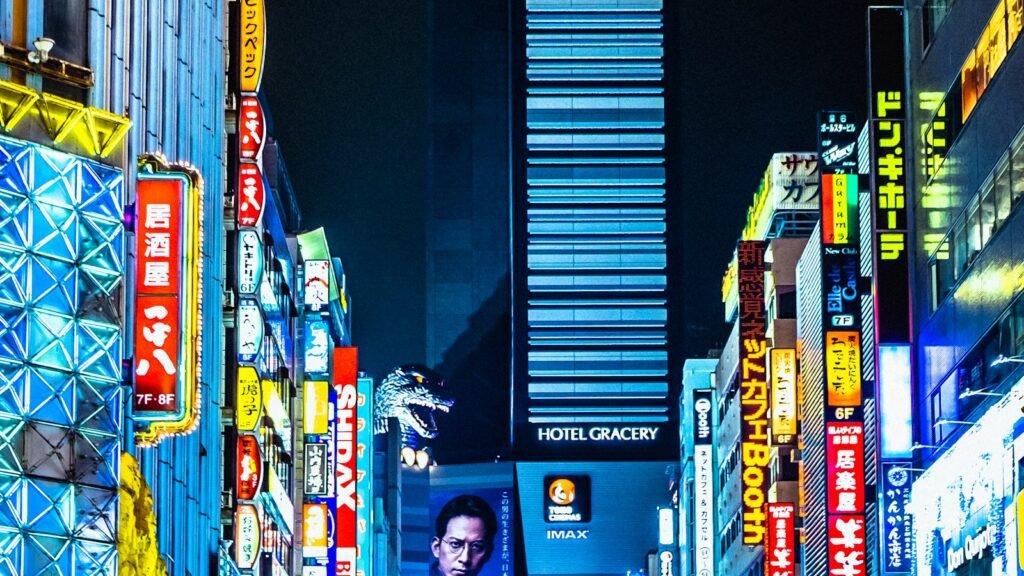
    • Mid-range: Hotel Gracery Shinjuku – the 970-room hotel under the Godzilla head in Kabukicho, six minutes from the station, with 24 m² twins that have a bathtub, women-only floors and a cinema downstairs. From around ¥21,000 (about $130 / £100) in low season.
    • Mid-range, quieter: Tokyu Stay Shinjuku Eastside – two minutes from Higashi-Shinjuku subway station, 23 m² rooms with a washer-dryer in each, and family rooms for up to five. The washing machine matters more than you think on a two-week trip.
    • Splurge: Park Hyatt Tokyo – the Lost in Translation hotel, back open after a 19-month renovation, with the indoor pool and the New York Bar on the top floors. Eight minutes from Tochomae station. The bar has a ¥3,300 cover charge in the evening, even for guests.

    See all hotels in Shinjuku →

    Tokyo Station, Ginza & Nihonbashi: best for day trips and calm nights

    Every Shinkansen line starts at Tokyo Station, which makes the districts around it the right base if you are carrying a rail pass and planning Kyoto, Kamakura or Nikko as day trips. Kamakura is under an hour direct; Kyoto is 2 hours 15 minutes on the fastest Nozomi. Ten minutes south is Ginza, the polished shopping district with department-store food halls and Tsukiji Outer Market on its edge. Nihonbashi, to the north-east, is older, quieter and has the cheapest decent business hotels within walking distance of the station.

    The trade-off: it is a business district, so the streets empty after office hours. Ginza is also the most expensive area in Tokyo by median room rate, roughly double Shinjuku. If you want the station, book in Nihonbashi or Yaesu and walk.

    • Budget: Sotetsu Fresa Inn Ginza-Sanchome – a clean business hotel three minutes from Ginza station, from around ¥17,000 (about $105 / £80) in January, which is as cheap as Ginza gets.
    • Mid-range: MUJI Hotel Ginza – above the flagship MUJI store, three minutes from Ginza station, 24 m² doubles, and free drinks and snacks in the lounge from 5 to 9 pm. Books out early.
    • Mid-range, with a bath: Mitsui Garden Hotel Ginza Tsukiji – opened late 2024, three minutes from Higashi-Ginza, with a public bath and 26 m² twins; the market is a short walk.
    • Splurge: The Tokyo Station Hotel – inside the red-brick 1914 station building itself, so the Shinkansen platforms are a lift ride away. Rooms start around 40 m², large by Tokyo standards, from roughly ¥56,000 (about $350 / £270). No pool.

    See all hotels in Ginza and around Tokyo Station →

    Shibuya: best for energy and nightlife

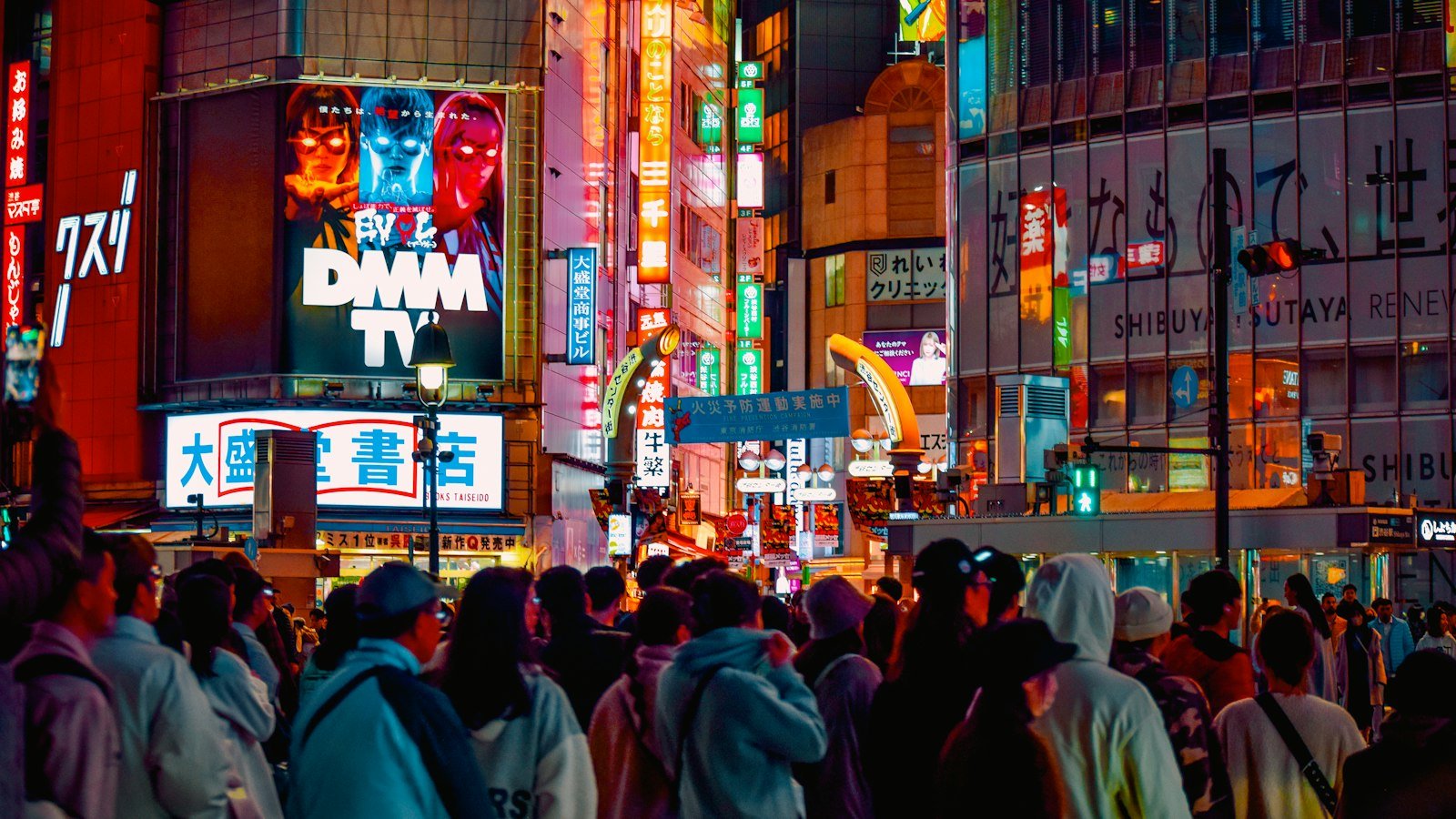
    Shibuya is the scramble crossing, the Shibuya Sky deck, Center Gai and a bar and restaurant scene that skews young. Harajuku, Meiji Shrine and Yoyogi Park are one stop north, and Shinjuku is seven minutes on the Yamanote line. If your Tokyo is late dinners, record shops and queuing for a famous ramen, this is the base.

    The trade-off: Shibuya was the most expensive mainstream area on every date we checked, the weekend crowds are heavy, and the station complex is a maze that takes a day to learn. The streets up Dogenzaka towards the love-hotel district are not where to put a family.

    • Budget: The Millennials Shibuya – a design capsule hotel five minutes from the station with female-only and mixed floors and a shared lounge; a good way to try a capsule without the grim version.
    • Mid-range: sequence Miyashita Park – four minutes from the station on top of the Miyashita Park complex, 24 m² twins, rooftop park outside the door. The JR tracks run alongside, so light sleepers should ask for a park-facing room.
    • Splurge: Cerulean Tower Tokyu Hotel – three minutes from the station, every room from the 19th floor up, a jazz club and a Noh theatre in the building. The pool costs extra except between 6 and 7 am.

    See all hotels in Shibuya →

    Asakusa: best for old Tokyo on a budget

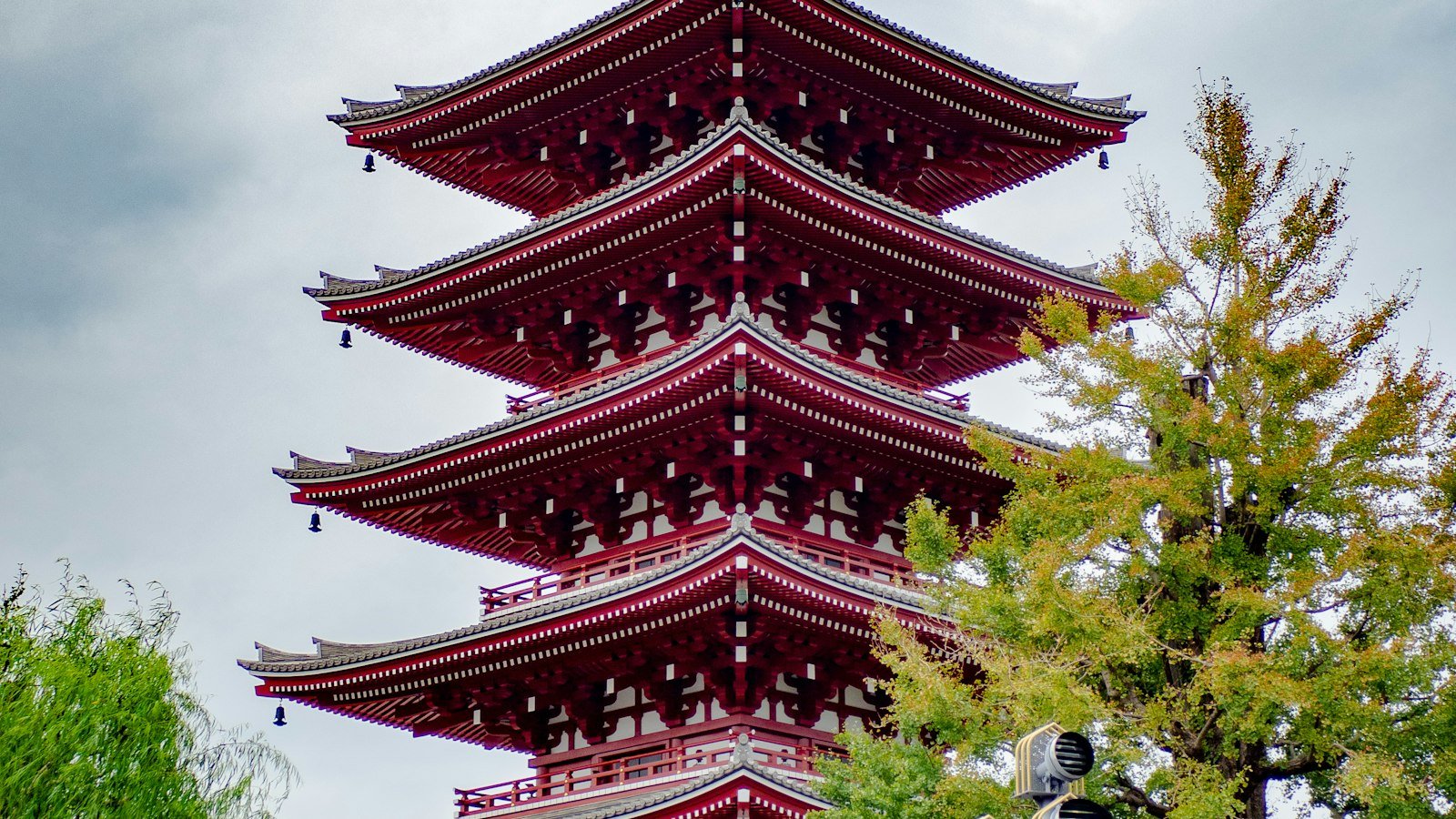
    Asakusa is the Tokyo of Senso-ji temple, the Nakamise shopping street and low-rise lanes with the Skytree in view. It is the cheapest central-ish area for most of the year, it has the best stock of family apartments, and it has a direct train from both airports with no change. At 7 am, before the tour groups, the temple precinct is one of the best places in the city to be.

    The trade-off: it is not on the Yamanote loop. Shibuya is about 34 minutes away, so every evening in the west costs an hour of travel. Rates also roughly double in cherry-blossom week.

    • Budget: APA Hotel Asakusa Tawaramachi Ekimae – 465 compact rooms by Tawaramachi subway station, with a public bath and open-air tub, from around ¥15,000 (about $95 / £72) for two in low season. Rooms are about 11 m²; pack accordingly.
    • Mid-range: The Gate Hotel Kaminarimon – a design hotel beside the temple gate with a restaurant terrace looking across to the Skytree; from roughly ¥24,000 (about $150 / £115).
    • Families: MIMARU Tokyo Asakusa Station – 35 m² apartments with full kitchens that sleep four, which works out at ¥16,000–¥18,000 a head. Free cancellation ends eight days before arrival.

    See all hotels in Asakusa →

    Ueno: best for Narita flights and museums

    Ueno is on the Yamanote loop, it is the terminus of the Keisei Skyliner from Narita (41 to 50 minutes, ¥2,580), and Ueno Park, with the Tokyo National Museum and the zoo, is on its doorstep. It is a short hop from Asakusa and Akihabara, so it suits anyone who wants the east side without giving up the loop line. For a late Narita arrival or an early departure it is the most sensible place in Tokyo to sleep.

    The trade-off: it is functional rather than charming, the hotels are mostly business chains, and it spikes in cherry-blossom week because the park is the city’s most famous hanami spot.

    • Budget: APA Hotel Keisei Ueno-Ekimae – a minute from the Skyliner terminal, from about ¥20,000 (about $125 / £95); some doubles look over Shinobazu Pond for roughly ¥2,000 more.
    • Mid-range: Mitsui Garden Hotel Ueno – a reliable chain hotel by the station, known for its panda-themed rooms, from around ¥23,000.
    • Design pick: Nohga Hotel Ueno Tokyo – rooms furnished with pieces by local makers, the one hotel in Ueno you would choose for its own sake, from about ¥28,000.

    See all hotels in Ueno →

    Shinagawa: best for Haneda and early Shinkansen

    Nobody falls for Shinagawa, but a lot of sensible people stay there. It is 11 to 18 minutes from Haneda on the Keikyu line for about ¥330, it is on the Yamanote loop, the Tokaido Shinkansen stops there, and Kamakura is 46 minutes away. If you land at Haneda late, or you are heading to Kyoto on an early train, it removes the stress.

    The trade-off: it is offices and hotel towers, and the evening choices are chain restaurants. Treat it as a transit base, not a neighbourhood.

    • Mid-range: Tokyu Stay Takanawa – apartment-style rooms with washer-dryers, one minute from Sengakuji station and a short walk to Shinagawa.
    • Splurge: The Prince Sakura Tower Tokyo – set in a Japanese garden behind the station, the calm option in a district of big boxes.

    See all hotels in Shinagawa →

    Areas to think twice about

    Roppongi has three excellent art museums and good cocktail bars, but it is not on the Yamanote line, its late-night strip is pushy, and it is the least Japanese-feeling part of the city. Visit for the Mori Art Museum; sleep elsewhere, or in neighbouring Azabu-Juban if you must.

    Akihabara is four minutes from Tokyo Station and quiet at night, which sounds ideal until you find the rooms cost more than Ueno and there is nothing to do after the electronics shops shut. A day trip unless anime is the point of your visit.

    Odaiba and the Disney hotels give families space and pools, but Odaiba is a 13- to 15-minute Yurikamome ride just to reach Shimbashi, and Maihama is a separate trip into town every day. Stay there only if the parks are the trip.

    Kabukicho itself, as opposed to Shinjuku generally. The hotels are fine; the streets at 2 am are not where you want to be with children.

    What Tokyo hotels cost in 2026

    Tokyo rooms are small, clean and, by the standards of other capitals, still fair value, but the days of ¥8,000 business hotels in the centre are mostly gone. Typical 2026 rates for a double, outside the peak weeks:

    TypePer night (JPY)Roughly in USD / GBP
    Hostel dorm bed¥3,000–¥5,000$19–$31 / £14–£24
    Capsule hotel¥4,000–¥6,500$25–$41 / £19–£31
    Business hotel (APA, Super Hotel, Sotetsu Fresa)¥7,000–¥12,000 off-peak; ¥14,000–¥22,000 for two in central areas on the dates we checked$44–$138 / £33–£105
    Mid-range 3–4-star double¥15,000–¥30,000$94–$189 / £72–£144
    Upscale / luxury¥40,000–¥80,000$252–$503 / £191–£383
    Top-tier (Ritz-Carlton, Peninsula)¥100,000+$630+ / £480+
    Converted at roughly ¥159 to the US dollar and ¥209 to the pound, mid October 2026. Add the accommodation tax below.

    By neighbourhood, a mid-October 2026 index of median rates for a mid-November stay put Ikebukuro at about $202 a night, Shinjuku $218, Ueno $224, Asakusa $251, Shibuya $258, Roppongi $368 and Ginza $494. The ranking holds most of the year; the gaps widen in spring.

    When to book: for cherry blossom (late March to mid April), Golden Week and the autumn leaves (mid November to early December), book four to six months ahead on a refundable rate and rebook if prices drop; small design hotels and family apartments go first. Otherwise six to eight weeks is enough. The cheapest windows are mid January to early March, June, and mid September to mid October.

    Accommodation tax, airports and getting around

    Accommodation tax. Tokyo’s current lodging tax is small and per person per night: nothing under ¥10,000 a head, ¥100 from ¥10,000 to ¥14,999, and ¥200 at ¥15,000 and above. From April 2027 the Tokyo Metropolitan Government switches to 3% of the room rate for stays above ¥13,000 per person per night, and extends it to private rentals, currently exempt. A ¥30,000 room for two will then carry ¥900 a night. Hotels collect it on the spot; most booking sites leave it out of the headline price.

    From Narita. The JR Narita Express runs direct to Tokyo Station in about an hour for ¥3,140 one way, and on to Shinagawa, Shibuya and Shinjuku for ¥3,330 (80 to 86 minutes). Foreign-passport holders can buy the N’EX round-trip ticket for ¥5,200, valid 14 days, which beats two singles if you leave from Narita too. The Keisei Skyliner reaches Ueno in 41 to 50 minutes for ¥2,580, and the slower Keisei Access Express runs direct to Asakusa in about an hour for ¥1,380. The TYO-NRT bus to Tokyo Station is ¥1,500 (¥3,000 overnight) and takes 65 to 90 minutes. A taxi is ¥22,000 to ¥30,000 and not worth it.

    From Haneda. Far easier. The Keikyu line reaches Shinagawa in 11 to 18 minutes for about ¥330 and continues direct to Asakusa in 41 minutes for ¥610; the Tokyo Monorail reaches Hamamatsucho on the Yamanote loop in 18 minutes for ¥500. Limousine buses to Shinjuku and Shibuya hotels are about ¥1,300 to ¥2,000 and take 30 to 60 minutes. A taxi to the centre is roughly ¥5,000 to ¥8,000.

    Getting around. Get a Welcome Suica, or set up the Welcome Suica Mobile app before you fly; the Tokyo tourism board explains the options. It is a tap-in card with no deposit, valid 28 days, good on every train, bus and convenience store. The Tokyo Subway Ticket gives unlimited rides on all Tokyo Metro and Toei lines for ¥800 (24 hours), ¥1,200 (48 hours) or ¥1,500 (72 hours); it does not cover JR, so it suits an Asakusa or Ginza base more than Shinjuku-to-Shibuya hops.

    Safety. Tokyo is as safe as any large city gets. The one thing to know is Kabukicho and Roppongi after midnight, where bar touts work the pavements; never follow one into a venue, and settle bills in places you chose yourself.

    FAQ

    Shinjuku or Shibuya for a first visit?

    Shinjuku. It has more hotels at more prices, direct airport trains and buses, and the day-trip lines to Fuji and Hakone. Shibuya is seven minutes away whenever you want it, and it costs more to sleep in.

    Is Asakusa too far out?

    For an east-side trip, no: Ueno, Akihabara, the Skytree and Tokyo Station are all close. If your evenings are in Shibuya and Shinjuku, yes; budget an hour each way.

    How many nights do I need in Tokyo?

    Four full days covers the main districts without exhausting you; five lets you add a day trip to Kamakura, Nikko or Hakone. Fewer than three and you will spend most of it on trains.

    Hotel or apartment?

    For couples, a hotel: rooms are small but efficient, and chains such as Tokyu Stay give you a washer-dryer anyway. For families of four, the MIMARU apartment-hotels are the answer, because a standard Tokyo double will not fit you. Private rentals become taxable in April 2027 and are thin on the ground in the centre.

    Do I need to stay near Tokyo Station for the Shinkansen?

    Only for a very early departure. Shinagawa and Ueno are a few stops away on the Yamanote line, and Shinagawa has its own Shinkansen platforms on the Kyoto line, so a Shinjuku or Ueno base loses you little.


    How we researched this: neighbourhood notes, hotel details and prices were cross-checked in October 2026 against JR East and Tokyo Metro fare pages, the Tokyo tourism board’s transport guides, Tokyo Metropolitan Government announcements on the accommodation tax as reported in the Japanese press, two independent hotel-price indices updated in September and October 2026, and recent reports from travellers and Tokyo-based writers. Prices move; always confirm before you book.
  • 3 Days in Lisbon: A Realistic First-Timer Itinerary (2026)

    3 Days in Lisbon: A Realistic First-Timer Itinerary (2026)

    Last updated: 16 October 2026. This guide contains affiliate links; if you book through one we may earn a commission at no extra cost to you. How we make money.

    Short answer: three days is the right length for a first visit to Lisbon. Spend Day 1 on the castle hill, Alfama and the Baixa grid; Day 2 in Belém for the monastery and the tower, finishing in Chiado; and Day 3 on the train to Sintra for Pena Palace. The order matters: the castle is quiet for its first hour, the Belém Tower now admits only 900 people a day on timed slots, and Pena tickets are sold for a fixed entry time. Book those three ahead and the rest can be improvised. One thing older guides will not tell you: the Santa Justa lift and three of the four historic funiculars have been closed since September 2025, so plan on walking the hills.

    At a glance

    DayAreaTheme
    Day 1Castelo, Alfama, Baixa, Chiado, Príncipe RealThe old city on foot, castle first, sunset from a miradouro
    Day 2Belém, LX Factory, Cais do SodréJerónimos, Belém Tower, custard tarts, the riverfront
    Day 3SintraPena Palace, the Moorish Castle, Quinta da Regaleira

    The practical bit

    • Best months: April to June and September to October. July and August are hot, queues double and hotel rates climb. Winter is mild and cheap but the castle closes at 6 pm.
    • Pace: moderate. One anchor sight booked in advance each day, two or three free stops, and an afternoon you can shorten. Expect a lot of hills.
    • Tickets and transport per person: roughly €34 on Day 1, €40 on Day 2 and €68 on Day 3 at October 2026 prices, so about €142 (about $166 / £122) for three days before food, hotels and the tourist tax.
    • Book ahead: Pena Palace (timed entry), Belém Tower (timed entry, 900 a day), Castelo de São Jorge (online skips the ticket queue), and Cervejaria Ramiro if you want a table.
    • Days to watch: Jerónimos, Belém Tower and the National Pantheon close on Mondays; Carmo Convent closes on Sundays.

    In this guide

    Day 1: the castle, Alfama and the old centre

    Day 1 is the Lisbon of the postcards, in the one order that beats the crowds: castle at opening, down through Alfama before lunch, the flat Baixa grid after it, and a climb to Chiado for sunset. Everything is walkable.

    Base yourself in Baixa or Chiado. Both are flat enough to roll a suitcase, sit on two metro lines, and put every Day 1 stop within a 20-minute walk. Hotel do Chiado has the Baixa-Chiado metro entrance at the foot of the building and a rooftop terrace facing the castle; The Lift Boutique Hotel is a smaller three-star beside the (closed) Santa Justa lift at well under Chiado prices. More options, and the areas to avoid, are in our Where to Stay in Lisbon guide.

    9:00 am: Castelo de São Jorge

    The castle opens at 9:00 am daily and the first hour is the quietest it gets. Adult entry is €17 (about $20 / £15) as of October 2026, children up to 12 free, ages 13 to 25 €8.50. Buy ahead through the official Castelo de São Jorge site, which sells only via its BOL ticketing partner; that skips the ticket office, though not the entry line. Allow 90 minutes for the ramparts, the towers and the view down the Baixa grid to the river. Summer hours run to 9 pm, winter to 6 pm, last admission 30 minutes before.

    Getting up: 20 steep minutes on foot from Baixa, bus 737 from Praça da Figueira to the gate, or a Bolt for a few euros.

    10:45 am: the Alfama miradouros

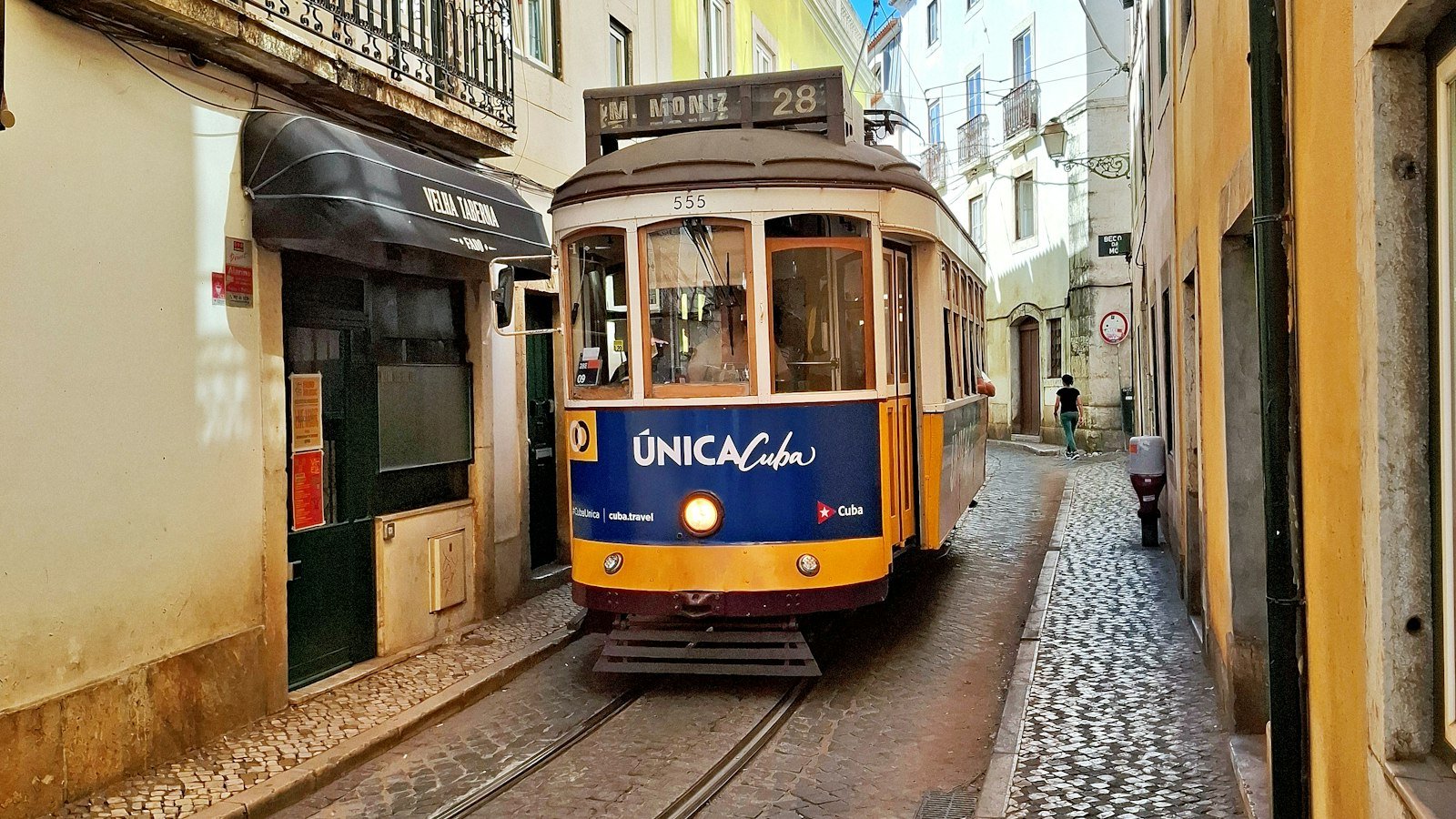
    Five minutes downhill from the castle gate is Miradouro de Santa Luzia, the terrace with the bougainvillea and tiled panels, and two minutes further is Miradouro das Portas do Sol, looking straight down over Alfama’s rooftops to the river. Both are free. This is where the Tram 28 photographs are taken; the tram itself is rammed by 10 am, so if you want to ride it, do it once, early, from the Martim Moniz end, with your phone in a front pocket.

    11:15 am: Alfama on foot, then the National Pantheon

    Drop into the lanes below Portas do Sol without a route. Alfama survived the 1755 earthquake, which is why it has no straight streets; get slightly lost for 45 minutes, aiming east, and you reach the white dome of the National Pantheon. Entry is €8 (about $9 / £7) and the reason to go in is the roof terrace. Closed Mondays.

    12:45 pm: lunch in Alfama

    Alfama’s restaurants on the main tourist lanes are overpriced, so pick with care. Miss Can, a small place doing Portuguese tinned fish with bread and salad, is cheap and quick. Or walk ten minutes down to Baixa for a bifana, the pork sandwich, at the counter of As Bifanas do Afonso near Rossio or O Trevo in Chiado.

    2:15 pm: Praça do Comércio and the Baixa grid

    From Alfama it is a 15-minute, mostly downhill walk along the river to Praça do Comércio, the huge yellow square that was the city’s front door when people arrived by ship. Go through the Arco da Rua Augusta and up the pedestrian Rua Augusta to Rossio. This is the flat part of the day.

    You will pass the Santa Justa lift, the iron tower linking Baixa to Chiado. As of October 2026 it is closed, and has been since 3 September 2025, when the Glória funicular derailed and Carris suspended all four of its historic lifts. No reopening date is confirmed. The walk up to Chiado via Rua do Carmo takes ten minutes and is not steep.

    3:30 pm: Carmo Convent

    At the top of that walk is the Carmo Convent, the Gothic church whose roof fell in during the 1755 earthquake and was never rebuilt. The bare arches against the sky are the most memorable image of the disaster, and the small museum behind the nave is worth 20 minutes. Tickets are €7 (about $8 / £6) at the door only. It opens Monday to Saturday from 10 am, until 7 pm from May to October and 6 pm from November to April, last entry 20 minutes before. Closed Sundays.

    4:30 pm: Chiado’s cafés and the walk to Príncipe Real

    Chiado is the old literary quarter: A Brasileira, the café with the bronze Fernando Pessoa outside, and Livraria Bertrand, the bookshop on Rua Garrett. Manteigaria, on Praça Luís de Camões, makes the pastel de nata many residents prefer to the famous one in Belém; find out which side you are on. Then walk 15 minutes uphill through the edge of Bairro Alto to the garden at Príncipe Real, where the wine bars and restaurants are.

    6:30 pm: sunset at Miradouro de São Pedro de Alcântara

    Walk back down to the terrace at São Pedro de Alcântara, which faces east across the valley to the castle, lit orange at this hour. Older guides send you up on the Glória funicular from Restauradores; that is the one that crashed in September 2025 and it remains out of service, with bus 51E as the replacement. Dinner: Cervejaria Ramiro for seafood if you want the classic Lisbon night out, booked well ahead. Otherwise eat in Príncipe Real or Bairro Alto, which is lively from 10 pm and noisy until 3 am.

    Day 2: Belém, then the riverfront back to Chiado

    Belém, six kilometres west of the centre, holds the two monuments every visitor sees: the Jerónimos Monastery and the Belém Tower. Both close on Mondays, both open at 9:30 am, and both have the longest queues in Lisbon by midday. Be there before they open, do them back to back, and be at lunch when the tour buses arrive.

    8:30 am: Pastéis de Belém

    Get to Belém on the 15E tram from Praça da Figueira (about 30 minutes) or the train from Cais do Sodré (under 15 minutes, then a short walk); both are covered by a 24-hour Navegante ticket. Go straight to Pastéis de Belém, home of the original custard tart, open from 8:00 am. There are two queues: the takeaway counter at the front, long from late morning, and the table rooms behind it through a separate door, which seat you much faster. At 8:30 am there is usually no queue at either. Eat two warm, with cinnamon.

    9:30 am: Jerónimos Monastery

    Cross the road and be at the cloister entrance for 9:30 am opening. The standard ticket is €18 (about $21 / £16) as of October 2026, reduced for under-25s and over-65s, free under 12. The Museus e Monumentos de Portugal site links to the online ticket office, and booking there lets you walk past a ticket queue that can reach an hour in summer. The cloister is open Tuesday to Sunday, 9:30 am to 5:30 pm, last entry 5:00 pm. The two-storey Manueline cloister is why the building is a World Heritage Site; allow an hour. The church next door, where Vasco da Gama and the poet Camões are buried, is free with its own queue, and opens at 10:30 am Tuesday to Saturday and only at 2 pm on Sundays, so do the cloister first.

    11:30 am: the riverfront to the Belém Tower (book a timed slot)

    Take the underpass to the river and walk west along the promenade, past the Monument to the Discoveries and its compass-rose mosaic (free, ten minutes), to the tower, another ten minutes on. The Belém Tower reopened on 27 May 2026 after more than a year of restoration, with a new entry system: timed slots, 60 people every half hour, 900 visitors a day. That is far fewer than before, so in summer you book your slot online days ahead. Adult entry is €15 (about $17 / £13) as of October 2026, children under 12 free; open Tuesday to Sunday, 9:30 am to 5:30 pm, last entry 5:00 pm. Inside is a narrow spiral staircase and a few bare rooms; the point is the top terrace with the river on three sides. If the slots are gone, the exterior and the promenade are free and that is where most photographs are taken anyway.

    1:15 pm: lunch in Belém, or save it for LX Factory

    Belém’s lunch spots are adequate and forgettable. Better to get back on the 15E eastbound to LX Factory in Alcântara, 15 to 30 minutes depending on where you board: a former textile works under the 25 de Abril bridge, now restaurants, the Ler Devagar bookshop and weekend markets. Eat there, then wander for an hour.

    3:30 pm: Cais do Sodré and the Time Out Market

    Tram or train on to Cais do Sodré. The Time Out Market in the old Mercado da Ribeira is a hall of counters run by well-known Lisbon chefs; at lunchtime it is a scramble for tables, mid-afternoon it is calm and works as a tasting stop.

    5:00 pm: up to Chiado for the evening

    The Bica funicular, which climbed from near Cais do Sodré towards Bairro Alto, is another lift closed since September 2025; bus 22B replaces it, or the walk up Rua da Bica takes five to seven minutes. Finish with a rooftop drink: the terrace bar at the Bairro Alto Hotel is open to non-guests and has the best dusk view across the river. If you would rather sleep near the evening action, LX Boutique Hotel by Cais do Sodré station is the reliable mid-range choice; ask for a courtyard-facing room.

    Day 3: Sintra and Pena Palace

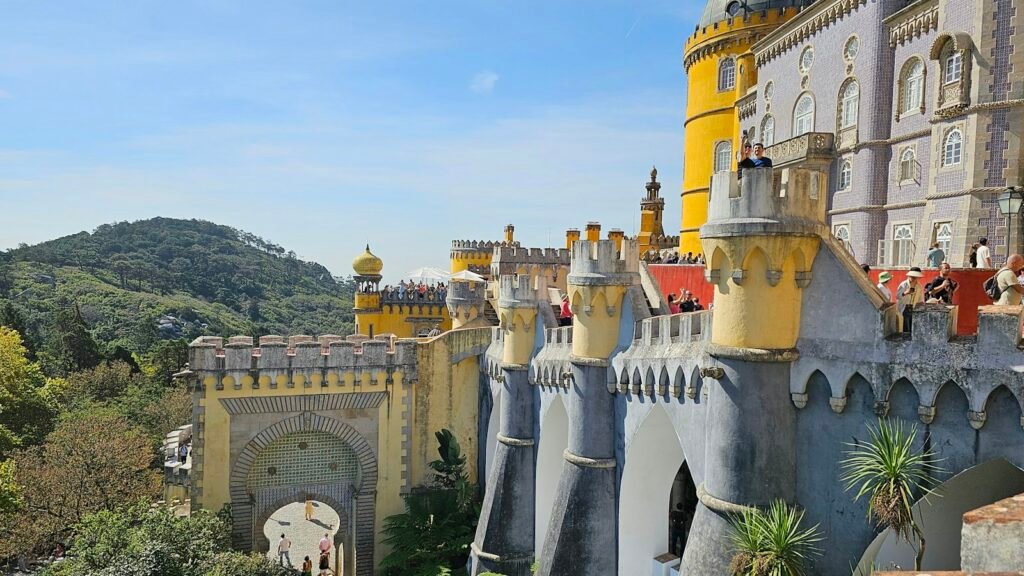
    The yellow and red towers of Pena Palace above the forest in Sintra, near Lisbon, Portugal
    Pena Palace, Sintra. Photo by Hasmik Ghazaryan Olson on Unsplash.

    Sintra is the day trip everyone takes and most people do badly, arriving at 11 am to find Pena sold out and the bus queue round the block. The fix: an early train, a timed Pena ticket already on your phone, and the hilltop sights before the town. The train is cheap and frequent, so skip the coach tour.

    8:00 am: train from Rossio

    CP trains leave Rossio for Sintra every 15 to 30 minutes and take about 40 minutes. A single is €2.45 (about $2.90 / £2.10) loaded on to your Navegante card. The ordinary €7.25 day ticket does not cover this line; the €11.40 Carris/Metro/CP 24-hour ticket and the Lisboa Card do. Aim for a train between 7:30 and 8:15 am.

    8:50 am: bus 434 to the top

    Outside the station, the Scotturb 434 runs a one-way loop: station, Moorish Castle, Pena Palace, historic centre, station. A 24-hour ticket for Sintra’s buses was €10.96 (about $13 / £9.50) when we checked in October 2026. The ride to Pena takes 30 minutes or more in traffic. Walking up takes about 50 minutes on a steep forest road; fine on the way down, a mistake on the way up.

    9:30 am: Pena Palace

    The palace opens at 9:30 am and the park at 9:00 am. Palace tickets are sold for a specific date and time and you are admitted only then, so book the first morning slot through Parques de Sintra, the official operator, before you travel. The Essential Visit, covering the state rooms, the terraces and the park, is €20 (about $23 / £17) for adults as of October 2026, €18 for ages 6 to 17 and over-65s, €65 for a family of four. Park only is €12. The €45 Complete Visit adds the private apartments; not necessary on a first trip. Do the terraces first, then the interior, then walk down through the park. Fog often sits on the ridge until 10 or 11 am; if you arrive in cloud, see the rooms first and come back out. Last palace admission is 6:00 pm; the park closes at 7:00 pm.

    11:30 am: Castelo dos Mouros

    The Moorish Castle is about 400 metres from the Pena entrance and costs €12 (about $14 / £10). It is a ring of walls along the ridge rather than a building, all steps and views, including the one back to Pena that you cannot get from Pena itself. Allow an hour. Short on energy, this is the stop to drop.

    1:00 pm: lunch in Sintra town

    Take the 434 down to the Sintra Vila stop, 15 minutes. There is almost nothing to eat on the hilltop, so lunch waits for the town. Piriquita, the pastry shop by the square, makes the travesseiro, a pillow of puff pastry and almond cream that is Sintra’s answer to the pastel de nata.

    2:30 pm: Quinta da Regaleira

    Ten minutes’ walk from the square, Quinta da Regaleira is the estate with the spiral Initiation Well, the grottoes and the tunnels that most visitors end up liking more than Pena. Entry is €20 (about $23 / £17), booked ahead. It is busiest in late morning, which is why it sits in the afternoon here; the queue for the well is shortest after 3 pm. Allow 80 minutes.

    4:30 pm: back to Lisbon

    Walk the 20 minutes back to the station; buses and ride-hails are slow in the late afternoon. You will be at Rossio around 5:30 pm. For the last evening, book a fado house in Alfama; the serious ones take reservations and start around 8 or 9 pm. A room at Memmo Alfama means you walk home afterwards.

    Getting around Lisbon in 2026: fares, closures and the Lisboa Card

    Lisbon’s transport is cheap and the fares all live on one card. Buy a Navegante card for €0.50 at any metro machine and load either a 24-hour ticket or “zapping” credit, which charges per ride. Each person needs their own card. Metro gates also take contactless bank cards as of 2026, at €1.92 a ride. These are the Carris fares for 2026, shared with Metro de Lisboa:

    Fare (2026)PriceRoughly in USD / GBP
    Navegante card (one-off)€0.50$0.60 / £0.45
    Metro single ticket€1.90$2.20 / £1.65
    Zapping fare per ride (metro, bus, tram)€1.72$2.00 / £1.50
    24-hour ticket, Carris + Metro€7.25$8.50 / £6.25
    24-hour ticket, Carris + Metro + CP trains (Sintra, Cascais)€11.40$13.30 / £9.80
    Tram single bought on board€3.30$3.85 / £2.85
    Bus single bought on board€2.30$2.70 / £2.00
    Rossio to Sintra train, single€2.45$2.90 / £2.10
    Sintra bus 434, 24-hour ticket€10.96$12.80 / £9.45
    Fares in force from 1 January 2026. Paying on board a tram costs almost double the card fare, so load the card before you ride.

    The lifts and funiculars. This is the part of Lisbon that changed. On 3 September 2025 the Glória funicular derailed on its way down to Restauradores, killing 16 people, and Carris suspended its other historic machines: the Bica and Lavra funiculars and the Santa Justa lift. As of October 2026 all four remain closed with no confirmed reopening dates, and Portuguese press reports put Bica and Lavra years away. Replacement buses: 51E for Glória, 22B for Bica, 19B for Lavra. The exception is the Graça funicular, which reopened on 30 April 2026. Any guide that tells you to ride Santa Justa or Glória is out of date.

    Is the Lisboa Card worth it? The official pass from Visit Lisboa bundles unlimited transport, Sintra train included, with free entry to more than 50 sites; the 72-hour adult card was €62 (about $72 / £53) in October 2026. Against this itinerary, separate transport is about €26, plus castle €17, Jerónimos €18, Belém Tower €15 and Pantheon €8: €84, so the card saves around €20 if you do all of them. Caveats: the Sintra palaces are discounted, not free, several museums were flagged as closed for restoration on the inclusions list when we checked, and Jerónimos requires advance booking with your card number.

    Tourist tax, airport transfers and what hotels cost

    Tourist tax. Lisbon charges €4 per person per night (about $4.70 / £3.45), capped at seven nights, so three nights adds €12 per adult. Under-13s are exempt and the charge applies to hotels and short-term rentals alike. The rate is set by the Câmara Municipal de Lisboa and stays at €4 in the 2026 fee schedule. Some booking sites include it in the total; others leave the hotel to collect it at check-in.

    Airport to the centre. The metro red line starts at the airport and runs 6:30 am to 1 am; a single is €1.90 on a €0.50 Navegante card, changing at Alameda for the green line to Baixa-Chiado. Allow 30 to 35 minutes. A taxi to Baixa is typically €15 to €20 plus a flat €1.60 luggage charge, about 20 per cent more at night and weekends. Uber and Bolt usually come in around €10. The Aerobus was withdrawn in 2022.

    Hotels. For a central three- or four-star double in spring or autumn, budget €120 to €200 a night (about $140 to $235 / £105 to £170); in October 2026 the comparison sites put the four-star average near $250, with January cheapest and September dearest. Small boutique places sell out first, so for April to October book two to three months ahead; the breakdown by neighbourhood is in our Lisbon where-to-stay guide. To sleep in Belém and start Day 2 without the tram ride, Jerónimos 8 is a minute’s walk from the monastery.

    What we’d change

    Two days only: drop Sintra. Lisbon in two days with a half-day trip bolted on means doing all three badly. Do Day 1 as written, Day 2 to the Belém Tower slot, then the Time Out Market and Chiado.

    Four days: add a slow one. Morning at the Calouste Gulbenkian Museum, the best art collection in the country and almost no queue, then the ferry from Cais do Sodré to Cacilhas for grilled fish with the skyline in front of you.

    July or August: flip Day 2 so the tower slot comes first at 9:30 am and the monastery after 3 pm when its queue thins. In Sintra, book Pena’s first slot and skip the Moorish Castle, which has no shade.

    FAQ

    Is three days enough for Lisbon?

    Yes, if one of them is Sintra. Two full days cover the castle hill, Alfama, Baixa, Chiado and Belém without rushing. A fourth lets you add the Gulbenkian or a beach at Cascais.

    Which tickets do I really need to book in advance?

    Pena Palace, because entry is at a fixed time and morning slots sell out days ahead in summer. Belém Tower, because the 900-a-day cap means walk-ups are often turned away. The castle and Jerónimos can be bought on the day at opening, but booking online costs nothing extra and removes the ticket queue.

    Is the Santa Justa lift open?

    No. It has been closed since 3 September 2025, along with the Glória, Bica and Lavra funiculars, following the Glória derailment. Only the Graça funicular has reopened. Check carris.pt for the current status before you go, and plan on walking or taking the replacement buses.

    Should I do Sintra on a tour or by train?

    By train. Rossio to Sintra is €2.45 each way, about 40 minutes, every 15 to 30 minutes; the 434 bus does the hill. A tour only earns its price if you want to add the coast (Cabo da Roca, Cascais) in the same day, which this plan deliberately does not.


    How we researched this: opening hours, ticket prices and fares were checked in October 2026 against the official sites of Castelo de São Jorge, Museus e Monumentos de Portugal, Parques de Sintra, Carris, Metro de Lisboa and Visit Lisboa, Lisbon’s municipal tourist-tax schedule, Portuguese press reports on the funicular closures and the Belém Tower reopening, current hotel rates on major booking sites, and recent itineraries from independent Lisbon-based writers. Prices and closures change; confirm before you travel.

  • Where to Stay in Lisbon: Best Areas & Hotels for First-Timers (2026)

    Where to Stay in Lisbon: Best Areas & Hotels for First-Timers (2026)

    Last updated: 16 October 2026. This guide contains affiliate links; if you book through one we may earn a commission at no extra cost to you. How we make money.

    Short answer: if it’s your first time in Lisbon, stay in Baixa or Chiado. You’ll be flat-ish, central, on two metro lines and within a ten-minute walk of almost everything people come for. Pick Príncipe Real if you’d rather trade a little convenience for leafy streets and better restaurants, and Alfama only if you’re travelling light, don’t mind hills, and want to fall asleep to fado. Everything else in this guide is the “why”, plus the areas that look good on a map but will quietly ruin your trip.

    Quick answer: where to stay in Lisbon

    If you are…Stay inOur top pick
    A first-time visitorBaixa & ChiadoHotel do Chiado
    A couple who plans trips around dinnerPríncipe RealMemmo Príncipe Real
    Travelling light and here for the atmosphereAlfamaMemmo Alfama
    Out late most nightsCais do SodréLX Boutique Hotel
    With small children or museum-obsessedBelémJerónimos 8

    In this guide

    Lisbon neighbourhoods compared

    Lisbon is a small city that feels big because it is built on hills. The neighbourhoods below are all within about 3 km of each other, but a 3 km walk here can involve 150 m of climbing. That single fact decides more holidays than any hotel review.

    AreaBest forHillsNight noiseMetroMid-range price
    Baixa & ChiadoFirst trip, short staysLow (Baixa) / medium (Chiado)Low–mediumYes, 2 lines€120–€200
    Príncipe RealCouples, food, boutique hotelsHighLow10-min walk€140–€220
    AlfamaAtmosphere, fado, photographersVery highMedium (weekends)No€110–€180
    Cais do Sodré & SantosNightlife, under-35sLowHigh (Pink Street)Yes + trains€100–€170
    BelémMuseums, families, quietLowVery lowNo (tram/train)€110–€180
    Bairro AltoBar-hoppingHighVery high Thu–Sat10-min walk€90–€160
    Parque das NaçõesConferences, flat walkingNoneVery lowYes€100–€150
    Prices are typical shoulder-season rates for a decent 3–4-star double. Expect July–August to run 50–100% higher.

    Baixa & Chiado: best for first-timers

    Baixa is the grid of straight streets rebuilt after the 1755 earthquake, running from Rossio down to the river at Praça do Comércio. Chiado is the slightly higher, slightly smarter district on its western edge, where the bookshops, theatres and the better cafés are. Together they are the one part of Lisbon where you can arrive from the airport by metro, roll a suitcase to your door on mostly flat pavement, and then walk to the castle, the river, Tram 28 and the Santa Justa lift without ever opening a map.

    The trade-off is that Baixa empties out after the shops close and costs more at the table. You will pay €2.50 for the espresso that is €1.20 three streets north. Chiado has fewer dead evenings but more crowds and the highest hotel prices in the city.

    Our picks:

    • Budget: The Lift Boutique Hotel – a clean three-star on Rua de Santa Justa, literally beside the lift, with rooms that are small but well run. Usually under €110 outside summer.
    • Mid-range: Hotel do Chiado – the rooftop terrace looks over the castle, and the Baixa-Chiado metro entrance is at the bottom of the building. The best-located mid-range hotel in Lisbon, which is why it books out.
    • Splurge: Bairro Alto Hotel – five stars on the square between Chiado and Bairro Alto, with the rooftop bar locals actually go to. From roughly €350 a night.

    See all hotels in Baixa & Chiado →

    Príncipe Real: best for couples and food

    Ten minutes uphill from Chiado, Príncipe Real is where Lisbon’s design shops, natural-wine bars and chef-run restaurants cluster around a garden with a 150-year-old cedar tree. It is residential, leafy and quiet after midnight. On Saturdays there is an organic farmers’ market in the garden. It is the neighbourhood we’d pick for a second visit, an anniversary, or anyone who cares more about dinner than about ticking off monuments.

    The trade-off: it is hilly in every direction, the nearest metro (Rato) is a stiff walk, and hotels here are boutique-priced. With heavy luggage, take a taxi to the door rather than attempting it from Baixa-Chiado station.

    • Mid-range: Casa do Jasmim by Shiadu – a guesthouse in a townhouse, with a proper homemade breakfast. Around €150.
    • Splurge: Memmo Príncipe Real – a terraced hotel built into the hillside with a pool and views back over the city. The Memmo group’s flagship.
    • Apartment-hotel: The Lumiares Hotel & Spa – suites with kitchenettes in a converted palace; good for stays of four nights or more.

    Alfama: best for atmosphere, with caveats

    Alfama is the medieval tangle below the castle that survived the earthquake, and it is the Lisbon on every postcard: laundry across the alleys, tiled façades, fado drifting out of doorways. Staying here is a real experience. It is also the neighbourhood that generates the most regretful emails.

    Here is the honest version. There is no metro. Tram 28 skirts the edges and is often too full to board. Many lanes are stairs, so taxis cannot reach a lot of addresses and you will carry your bag up the last 200 metres. Friday and Saturday nights get loud around the fado houses until well past midnight. If you have a bad knee, a pushchair, a 25 kg case or an early flight, stay somewhere else and visit Alfama instead. If none of those apply, book one of these and you’ll love it.

    • Mid-range: Hotel Convento do Salvador – a converted convent at the top of the hill, bright rooms, good value for the area.
    • Splurge: Memmo Alfama – the terrace with the red-tiled plunge pool over the rooftops is the most photographed hotel view in Lisbon, and it earns it.
    • Palace stay: Santiago de Alfama – a 15th-century palace restored as a 19-room boutique hotel, a short, steep walk below the castle gate.

    Cais do Sodré & Santos: best for nightlife

    Cais do Sodré used to be the red-light district by the docks; now it is the Time Out Market, the bars of Pink Street, and the station for trains to Belém, Cascais and the beaches. It is flat, well connected and the best base if your evenings matter more than your mornings. Walk west along the river and it turns into Santos, which is calmer, full of galleries and design studios, and where the better apartment-hotels have opened.

    The trade-off: Pink Street noise carries several blocks on weekends. Ask for a courtyard-facing room, or stay in Santos and walk in.

    • Mid-range: LX Boutique Hotel – each floor themed on a Lisbon icon, right by the station; a reliable €120–€160 choice.
    • Design pick: JAM Lisbon – a carbon-neutral warehouse conversion in Santos with a rooftop pool and a bar that fills with locals.
    • Splurge: As Janelas Verdes – an 18th-century mansion next to the National Museum of Ancient Art, with a walled garden and a library bar. Quiet, romantic, slightly old-fashioned in the best way.

    Belém: best for a quiet, museum-heavy trip

    Six kilometres west of the centre, Belém is flat, riverside and home to the two sights every visitor sees anyway: the Jerónimos Monastery and the Belém Tower, plus the MAAT museum and the original pastel de nata bakery. If you are travelling with small children, hate crowds at night, or plan to spend serious time in museums, it is a calm base. The catch is a 15-minute train or 20-minute tram into town every time you want dinner in the centre, and no metro at all.

    • Mid-range: Jerónimos 8 – a modern four-star a minute’s walk from the monastery.
    • Splurge: Altis Belém Hotel & Spa – on the marina, with an infinity pool facing the river and a Michelin-starred restaurant.

    Areas to think twice about

    Bairro Alto is wonderful at 11 pm and miserable at 3 am, when the bars empty onto cobbles that echo like a drum. Hotels advertise “in the heart of the nightlife” as a feature; for sleepers it is a warning. Stay on the Chiado side of it or bring serious earplugs.

    Parque das Nações, the Expo ’98 district by the Oriente station, is spotless, flat and 20 minutes by metro from anything historic. It suits conferences and the Oceanarium. It does not feel like Lisbon.

    Mouraria and Intendente are the next neighbourhoods to gentrify and have the cheapest decent rooms in the city, but they are patchy at night and short on hotels. Fine for confident repeat visitors; not the place for a nervous first trip.

    Anywhere near the airport. The metro ride is only 25–30 minutes, so there is no reason to sleep out there unless you have a 6 am flight.

    What Lisbon hotels cost in 2026

    Lisbon is no longer the bargain it was a decade ago, but it is still cheaper than Paris, Amsterdam or Rome for a comparable room. Based on current rates for spring and autumn:

    TypePer night (EUR)Roughly in USD / GBP
    Hostel dorm bed€22–€35$24–$38 / £19–£30
    Simple guesthouse or 2-star€70–€100$76–$108 / £60–£86
    Good 3–4-star double, central€120–€200$130–$216 / £103–£172
    Boutique / 5-star€250–€450+$270–$486+ / £215–£387+
    Add the €4-per-night tourist tax (see below). July and August, and the week around New Year, can double these figures.

    When to book: for April to October, two to three months ahead gets you the hotel you actually want; the small boutique places with 10–20 rooms sell out first. Outside those months, four to six weeks is usually fine.

    Tourist tax, airport and the hill problem

    Tourist tax. Lisbon charges €4 per person per night (the Câmara Municipal de Lisboa doubled it from €2 in September 2024), for a maximum of seven nights per stay, for everyone aged 13 and over. It applies to hotels and to Airbnb-style rentals alike. Most booking sites now add it to your total; if yours doesn’t, the hotel will collect it at check-in.

    Getting in from the airport. The Metro de Lisboa red line starts at the airport and runs 6:30 am to 1 am. A single fare is €1.90 plus €0.50 for the reusable Navegante card, and you’ll change once (Alameda for the green line to Baixa-Chiado). Allow 30–35 minutes door to platform. A taxi to the centre is €15–€20 plus a €1.60 luggage charge; Uber and Bolt are usually around €10 but can mean a long wait from the P2 car park on Friday and Saturday evenings. The old Aerobus was scrapped in 2022, whatever older guides say.

    The hill problem. Before you book, open the hotel’s address in Google Maps, switch to Street View, and look at the street. If it is stairs, or the pavement is a 45-degree ramp of polished limestone, that is your daily commute. Baixa, Cais do Sodré, Belém and Parque das Nações are the flat options. Everywhere else, pack lighter than you think you need to.

    Getting around once you’re there. Load a Navegante card with “zapping” credit and every metro, bus, tram and funicular ride costs €1.72. A 24-hour pass is €7.25. Tram 28 is a sight, not a transport system: ride it once, early in the morning, from the Martim Moniz end, and watch your pockets.

    FAQ

    Is Baixa or Chiado better?

    Chiado, if the budget stretches. It is livelier in the evening and five minutes closer to Bairro Alto and Príncipe Real. Baixa is flatter, a touch cheaper and fine for short stays, but it goes quiet after 8 pm.

    How many nights do I need in Lisbon?

    Three full days covers the centre and Belém without rushing. Add a fourth for Sintra, which is the day trip everybody takes and nobody regrets.

    Is Lisbon safe to stay in?

    Yes. Violent crime against tourists is rare. The real risk is pickpocketing on Tram 28, in the Baixa-Chiado metro station and around Rossio late at night, so keep phones and wallets in front pockets or a zipped bag.

    Hotel or apartment?

    For three nights or fewer, a hotel: you get a lift, someone to hold your bags, and no risk of the listing being one of the city’s increasingly unlicensed rentals. For a week or more with children, an apartment-hotel such as The Lumiares or JAM gives you a kitchen without the gamble.

    What’s the best area for a first-time visitor on a budget?

    Cais do Sodré, in a courtyard-facing room. It is flat, connected to the metro and the trains, and its mid-range hotels undercut Chiado by €30–€50 a night.


    How we researched this: neighbourhood descriptions, prices and transport details were cross-checked in October 2026 against Lisbon’s municipal tourist-tax rules, Metro de Lisboa fares, current hotel rates on major booking sites, and recent on-the-ground reports from travellers and Lisbon-based writers. Prices move; always confirm before you book.